

English


Paperback
₹1994
₹2373
15.97% OFF
(All inclusive*)
Delivery Options
Please enter pincode to check delivery time.
*COD & Shipping Charges may apply on certain items.
Review final details at checkout.
Looking to place a bulk order? SUBMIT DETAILS
Delivery Options
Please enter pincode to check delivery time.
*COD & Shipping Charges may apply on certain items.
Review final details at checkout.
About The Book
Description
Author(s)
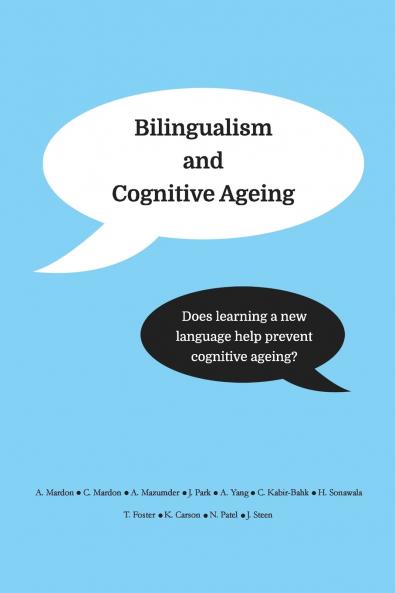
Language is the key to communication and connection regardless of whether it is through digital platforms body language or simply face-to-face conversation. Therefore it is no wonder that so many people seek out the opportunity to learn and teach others new languages; it allows us to connect with more people across the globe. Despite this it was widely believed in scientific circles that bilingualism was a disadvantage-something that might slow down the developing brain-rather than a social and cognitive advantage. Bilingualism and Cognitive Ageing: Does learning a new language help prevent cognitive ageing? strives to examine the recent research that disproves this out-dated theory with a focus on how bilingualism affects our cognitive ageing. Our discussion begins with an exploration of the history of research on the cognitive effects of bilingualism and ends with a look at the common misconceptions that people hold and how they may be supported by popular culture. Along the way the connection between specific ages and bilingualism-including when to learn a language-the effects that bilingualism has on the brain and the most influential studies and scientists that have brought us to these conclusions will also be discussed. Bilingualism and Cognitive Ageing: Does learning a new language help prevent cognitive ageing? is a brief exploration that strives to educate the general reader on the history and science behind bilingualism and cognitive ageing.

Piracy-free

Assured Quality

Secure Transactions

Fast Delivery

Sustainably Printed
Details
ISBN 13
9781773696164
Publication Date
-01-09-2021
Pages
-60
Weight
-95 grams
Dimensions
-152x229x3.65 mm
