

English


Paperback
₹3896
₹5757
32.33% OFF
(All inclusive*)
Delivery Options
Please enter pincode to check delivery time.
*COD & Shipping Charges may apply on certain items.
Review final details at checkout.
Looking to place a bulk order? SUBMIT DETAILS
Delivery Options
Please enter pincode to check delivery time.
*COD & Shipping Charges may apply on certain items.
Review final details at checkout.
About The Book
Description
Author(s)
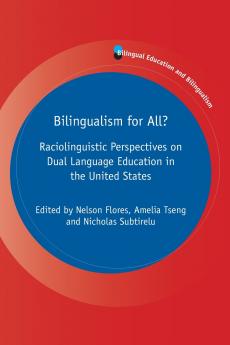
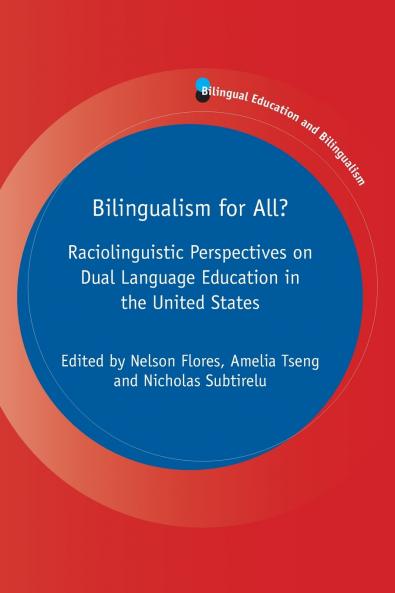
<p>It is common for scholarly and mainstream discourses on dual language education in the US to frame these programs as inherently socially transformative and to see their proliferation in recent years as a natural means of developing more anti-racist spaces in public schools. In contrast this book adopts a raciolinguistic perspective that points to the contradictory role that these programs play in both reproducing and challenging racial hierarchies. The book includes 11 chapters that adopt a range of methodological techniques (qualitative quantitative and textual) disciplinary perspectives (linguistics sociology and anthropology) and language foci (Spanish Hebrew and Korean) to examine the ways that dual language education programs in the US often reinforce the racial inequities that they purport to challenge.</p>

Piracy-free

Assured Quality

Secure Transactions

Fast Delivery

Sustainably Printed
Details
ISBN 13
9781800410039
Publication Date
-16-12-2020
Pages
-294
Weight
-421 grams
Dimensions
-156x234x15.66 mm
