


This Book is Out of Stock!
English


₹23155
(All inclusive*)
Hardback
Delivery Options
*COD & Shipping Charges may apply on certain items.
Review final details at checkout.
Looking to place a bulk order? SUBMIT DETAILS
*COD & Shipping Charges may apply on certain items.
Review final details at checkout.
₹23155
Out Of Stock
All inclusive*
About The Book
Description
Author
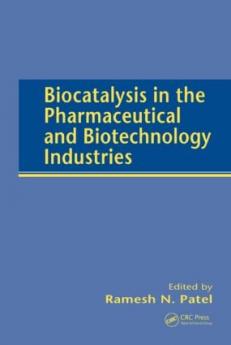
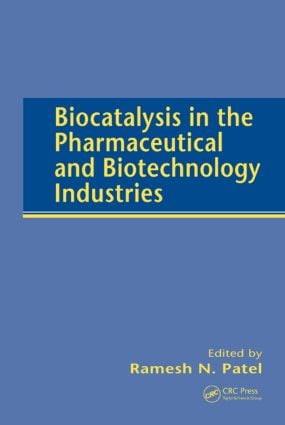
<p>Because enzyme-catalyzed reactions exhibit higher enantioselectivity regioselectivity substrate specificity and stability they require mild conditions to react while prompting higher reaction efficiency and product yields. <b>Biocatalysis in the Pharmaceutical and Biotechnology Industries</b> examines the use of catalysts to produce fine chemicals and chiral intermediates in a variety of pharmaceutical agrochemical and other biotechnological applications.</p><p>Written by internationally recognized scientists in biocatalysis the authors analyze the synthesis of chiral intermediates for over 60 brand-name pharmaceuticals for a wide range of drug therapies and treatments. From starting material to product the chapters offer detailed mechanisms that show chiral intermediates and other by-products for each reaction—including hydrolytic acylation halogenation esterification dehalogenation oxidation-reduction oxygenation hydroxylation deamination transamination and C–C C–N C–O bonds formation. Cutting-edge topics include advanced methodologies for gene shuffling and directed evolution of biocatalysts; the custom engineering of enzymes; the use of microbial cells and isolated biocatalysts; the use of renewable starting materials; and generating novel molecules by combinatorial biocatalysis and high-throughput screening. </p><p>Focusing on industrial applications the book also considers factors such as bulk processes instrumentation solvent selection and techniques for catalyst immobilization reusability and yield optimization throughout. <b>Biocatalysis in the Pharmaceutical and Biotechnology Industries</b> showcases the practical advantages and methodologies for using biocatalysts to develop and produce chiral pharmaceuticals and fine chemicals.</p>

Piracy-free

Assured Quality

Secure Transactions

Fast Delivery

Sustainably Printed
Details
ISBN 13
9780849337321
Publication Date
-26-09-2006
Pages
-920
Weight
-1698 grams
Dimensions
-178x254x49.27 mm
