

English


Hardback
₹8518
₹11131
23.47% OFF
(All inclusive*)
Delivery Options
Please enter pincode to check delivery time.
*COD & Shipping Charges may apply on certain items.
Review final details at checkout.
Looking to place a bulk order? SUBMIT DETAILS
Delivery Options
Please enter pincode to check delivery time.
*COD & Shipping Charges may apply on certain items.
Review final details at checkout.
About The Book
Description
Author
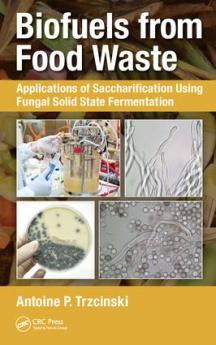
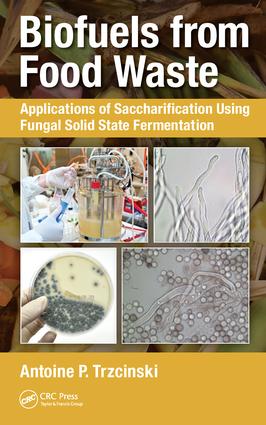
<p>According to the UN's Food &amp; Agricultural Organization (FAO) one third of food produced globally for human consumption (nearly 1.3 billion tons) is lost annually. Food waste has often been incinerated with other combustible municipal wastes for possible recovery of heat or other forms of energy however incineration is not cost-effective and can cause air pollution. Due to its organics- and nutrient-rich nature food waste could be viewed as a useful resource for production of high-value platform chemicals through fermentation. This book examines the bioconversion of food wastes to energy and the recent developments in ethanol hydrogen methane and biodiesel production from food wastes.</p>

Piracy-free

Assured Quality

Secure Transactions

Fast Delivery

Sustainably Printed
Details
ISBN 13
9781138093720
Publication Date
-01-09-2017
Pages
-136
Weight
-296 grams
Dimensions
-155.96x233.93x8.99 mm
