


English


Hardback
₹12442
(All inclusive*)
Delivery Options
Please enter pincode to check delivery time.
*COD & Shipping Charges may apply on certain items.
Review final details at checkout.
Looking to place a bulk order? SUBMIT DETAILS

Piracy-free

Assured Quality

Secure Transactions
About The Book
Description
Author
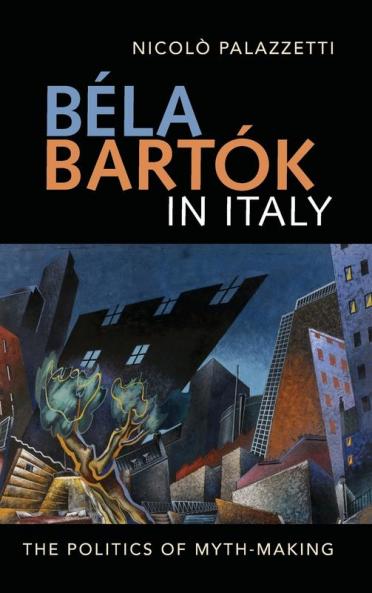
This book examines the reputation of the Hungarian composer Béla Bartók (1881-1945) as an antifascist hero and beacon of freedom. Following Bartok's reception in Italy from the early twentieth century through Mussolini's fascist regime and into the early Cold War Palazzetti explores the connexions between music politics and diplomacy. The wider context of this study also offers glimpses into broader themes such as fascist cultural policies cultural resistance and the ambivalent political usage of modernist music.<br/><br/>The book argues that the 'Bartókian Wave' occurring in Italy after the Second World War was the result of the fusion of the Bartók myth as the 'musician of freedom' and the Cold War narrative of an Italian national regeneration. Italian-Hungarian diplomatic cooperation during the interwar period had supported Bartok's success in Italy. But in spite of their political alliance the cultural policies by Europe's leading fascist regimes started to diverge over the years: many composers proscribed in Nazi Germany were increasingly performed in fascist Italy. In the early 1940s the now exiled composer came to represent one of the symbols of the anti-Nazi cultural resistance in Italy and was canonised as 'the musician of freedom'. Exile and death had transformed Bartók into a martyr just as the <i>Resistenza </i>and the catastrophe of war had redeemed post-war Italy.
Piracy-free
Assured Quality
Secure Transactions
Delivery Options
Please enter pincode to check delivery time.
*COD & Shipping Charges may apply on certain items.
Review final details at checkout.
Details
ISBN 13
9781783276202
Publication Date
-20-08-2021
Pages
-320
Weight
-549 grams
Dimensions
-156x234x19.05 mm
