

English


₹3773
₹4861
22.38% OFF
(All inclusive*)
Paperback
Delivery Options
Please enter pincode to check delivery time.
*COD & Shipping Charges may apply on certain items.
Review final details at checkout.
Looking to place a bulk order? SUBMIT DETAILS
Delivery Options
Please enter pincode to check delivery time.
*COD & Shipping Charges may apply on certain items.
Review final details at checkout.
About The Book
Description
Author
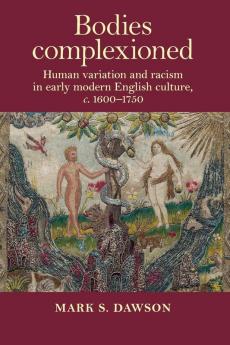
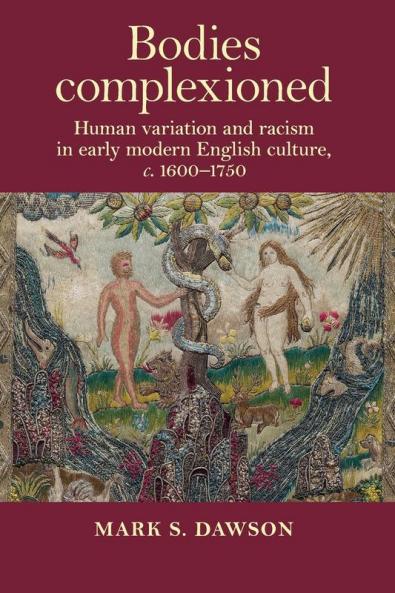
Bodily contrasts - from the colour of hair eyes and skin to the shape of faces and skeletons - allowed the English of the seventeenth and early eighteenth centuries to discriminate systematically among themselves and against non-Anglophone groups. Making use of an array of sources this book examines how early modern English people understood bodily difference. It demonstrates that individuals' distinctive features were considered innate even as discrete populations were believed to have characteristics in common and challenges the idea that the humoral theory of bodily composition was incompatible with visceral inequality or racism. While 'race' had not assumed its modern valence and 'racial' ideologies were still to come such typecasting nonetheless had mundane lasting consequences. Grounded in humoral physiology and Christian universalism notwithstanding bodily prejudices inflected social stratification domestic politics sectarian division and international relations.

Piracy-free

Assured Quality

Secure Transactions

Fast Delivery

Sustainably Printed
Details
ISBN 13
9781526163905
Publication Date
-12-07-2022
Pages
-282
Weight
-405 grams
Dimensions
-156x234x15.03 mm
