

English


Paperback
₹5830
₹7511
22.38% OFF
(All inclusive*)
Delivery Options
Please enter pincode to check delivery time.
*COD & Shipping Charges may apply on certain items.
Review final details at checkout.
Looking to place a bulk order? SUBMIT DETAILS
Delivery Options
Please enter pincode to check delivery time.
*COD & Shipping Charges may apply on certain items.
Review final details at checkout.
About The Book
Description
Author
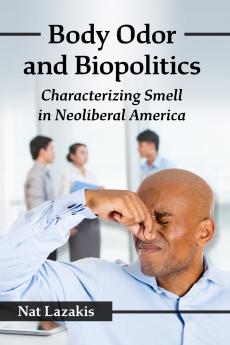
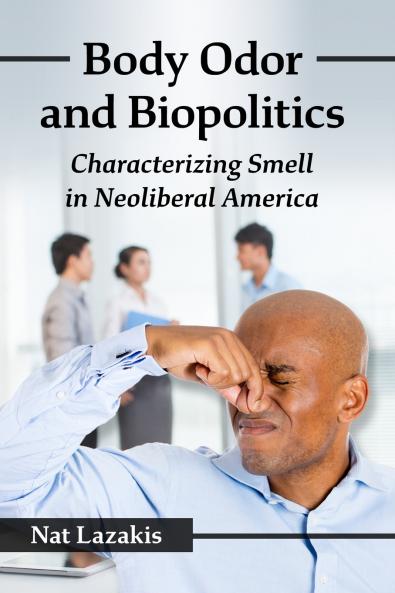
<p> Originally rooted in stereotypes about race and class the modern norm of bodily odorlessness emerged amid 19th and early 20-century developments in urban sanitation labor relations and product marketing. Today discrimination against strong-smelling people includes spatial segregation and termination from employment yet goes unchallenged by social justice movements.</p><p> This book examines how neoliberal rhetoric legitimizes treating strong-smelling people as defective individuals rather than a marginalized group elevates authority figures into arbiters of odor and drives sales of hygiene products for making bodies acceptable.</p>

Piracy-free

Assured Quality

Secure Transactions

Fast Delivery

Sustainably Printed
Details
ISBN 13
9781476683287
Publication Date
-08-03-2021
Pages
-218
Weight
-302 grams
Dimensions
-152x229x12.64 mm
