

by
Jim Coby
English


Paperback
₹4243
₹5577
23.92% OFF
(All inclusive*)
Delivery Options
Please enter pincode to check delivery time.
*COD & Shipping Charges may apply on certain items.
Review final details at checkout.
Looking to place a bulk order? SUBMIT DETAILS

Piracy-free

Assured Quality

Secure Transactions
About The Book
Description
Author(s)
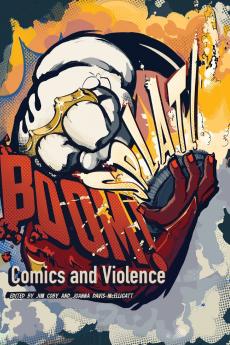
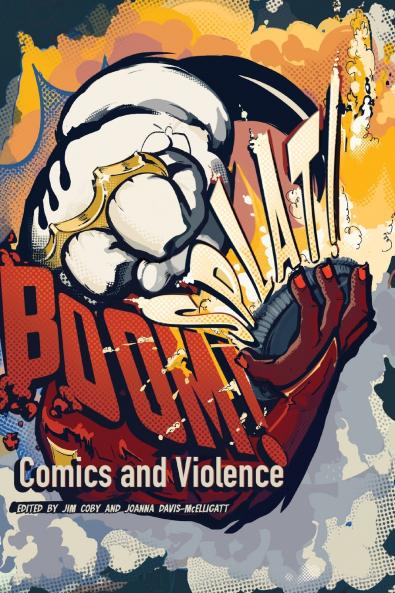
Contributions by Lawrence Abrams Diana Álvarez Amell Partha Bhattacharjee Natalja Chestopalova Jim Coby Rita Costello Sam Cowling Joanna Davis-McElligatt Elisabetta Di Minico Kiera M. Gaswint Vincent Haddad Kaleb Knoblauch Christina M. Knopf Leah Milne Jacob Murel Priyanka Tripathi and Steven S. Vrooman <p/> In 1954 the culture distribution and content of comics forever changed. Long a mainstay of America's reading diet comic books began to fall under the scrutiny of parent groups church leaders and politicians. The bright colors and cheaply printed pulp pages of comic books that had once provided an escape were suddenly presumed to house something lascivious insidious and morally corrosive. While anxieties about representations of violence in comics have largely fallen to the wayside since the moral panic of the 1950s thematic and symbolic visual depictions of violence remain central to the comics form. <i>BOOM! SPLAT!</i><i> Comics and Violence</i> examines violence in every iteration--physical violence enacted between people and their environments formal and structural violence embedded in the comics language itself representations of historical violence and ways of reading and seeing violence. <p/><i>BOOM! SPLAT! </i>is composed of fifteen essays from renowned comics scholars and is organized thematically into four sections including an examination of histories of violence forms of violence modes and systems of violence and political and social violence. Chapters focus on well-known comics and comics creators such as Steve Ditko Hulk X-Men and the Marvel universe to newspaper cartoon strips postwar graphic novels revolution civil rights trauma #blacklivesmatter and more. <i>BOOM! SPLAT!</i> serves as a resource to scholars and comics enthusiasts who wish to contemplate and confront the permutations forms structures and discourses of violence that have always animated cartoons. <p/> Through this interrogation our understanding of violence moves beyond the immediately physical and interpersonal into modes of ephemeral psychological and ideological violence. Contributors fill critical gaps by offering sustained explorations of the function of manifold violences in the comics language--those seen felt and imagined. The essays in this collection are critically necessary for understanding the current and historical role that violence has played in comics and will help recognize how cartooning imbricates resists and expands our thinking about and experiences of violence.
Piracy-free
Assured Quality
Secure Transactions
Delivery Options
Please enter pincode to check delivery time.
*COD & Shipping Charges may apply on certain items.
Review final details at checkout.
Details
ISBN 13
9781496850041
Publication Date
-05-02-2024
Pages
-246
Weight
-339 grams
Dimensions
-152x229x14.18 mm
