


English



Paperback
₹2893
₹3728
22.4% OFF
(All inclusive*)
Delivery Options
Please enter pincode to check delivery time.
*COD & Shipping Charges may apply on certain items.
Review final details at checkout.
Looking to place a bulk order? SUBMIT DETAILS
Delivery Options
Please enter pincode to check delivery time.
*COD & Shipping Charges may apply on certain items.
Review final details at checkout.
About The Book
Description
Author
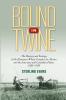
Before the invention of the combine the binder was an essential harvesting implement that cut grain and bound the stalks in bundles tied with twine that could then be hand-gathered into shocks for threshing. Hundreds of thousands of farmers across the United States and Canada relied on binders and the twine required for the machine's operation. Implement manufacturers discovered that the best binder twine was made from henequen and sisal-spiny fibrous plants native to the Yucatán Peninsula of Mexico. The double dependency that subsequently developed between Mexico and the Great Plains of the United States and Canada affected the agriculture ecology and economy of all three nations in ways that have historically been little understood. These interlocking dependencies-identified by author Sterling Evans as the henequen-wheat complex-initiated or furthered major ecological social and political changes in each of these agricultural regions.Drawing on extensive archival work as well as the existing secondary literature Evans has woven an intricate story that will change our understanding of the complex transnational history of the North American continent.STERLING EVANS is an associate professor and Canada Research Chair in history at Brandon University in Brandon Manitoba. He is the editor of The Borderlands of the American and Canadian Wests. Evans holds a Ph.D. from the University of Kansas.

Piracy-free

Assured Quality

Secure Transactions

Fast Delivery

Sustainably Printed
Details
ISBN 13
9781623490478
Publication Date
-14-01-2013
Pages
-342
Weight
-464 grams
Dimensions
-152x229x19.4 mm
