

English


Paperback
₹3933
₹4822
18.44% OFF
(All inclusive*)
Delivery Options
Please enter pincode to check delivery time.
*COD & Shipping Charges may apply on certain items.
Review final details at checkout.
Looking to place a bulk order? SUBMIT DETAILS
Delivery Options
Please enter pincode to check delivery time.
*COD & Shipping Charges may apply on certain items.
Review final details at checkout.
About The Book
Description
Author
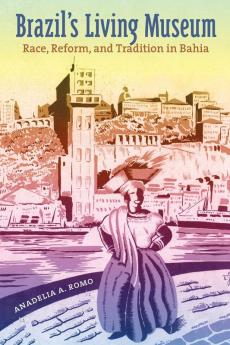
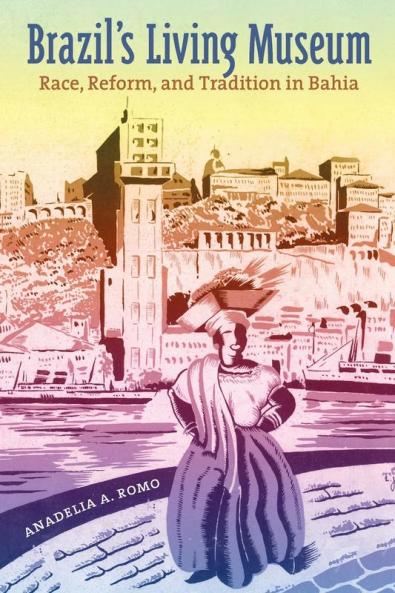
Brazil&#x2019;s northeastern state of Bahia has built its economy around attracting international tourists to what is billed as the locus of Afro-Brazilian culture and the epicenter of Brazilian racial harmony. Yet this inclusive ideal has a complicated past. Chronicling the discourse among intellectuals and state officials during the period from the abolition of slavery in 1888 to the start of Brazil&#x2019;s military regime in 1964 Anadelia Romo uncovers how the state&#x2019;s nonwhite majority moved from being a source of embarrassment to being a critical component of Bahia&#x2019;s identity.<br/><br/>Romo examines ideas of race in key cultural and public arenas through a close analysis of medical science the arts education and the social sciences. As she argues although Bahian racial thought came to embrace elements of Afro-Brazilian culture the presentation of Bahia as a &#x201C;living museum&#x201D; threatened by social change portrayed Afro-Bahian culture and modernity as necessarily at odds. Romo&#x2019;s finely tuned account complicates our understanding of Brazilian racial ideology and enriches our knowledge of the constructions of race across Latin America and the larger African diaspora.

Piracy-free

Assured Quality

Secure Transactions

Fast Delivery

Sustainably Printed
Details
ISBN 13
9780807871157
Publication Date
-14-05-2010
Pages
-236
Weight
-342 grams
Dimensions
-156x234x13.63 mm
