

English


₹12678
₹16256
22.01% OFF
(All inclusive*)
Hardback
Delivery Options
Please enter pincode to check delivery time.
*COD & Shipping Charges may apply on certain items.
Review final details at checkout.
Looking to place a bulk order? SUBMIT DETAILS
Delivery Options
Please enter pincode to check delivery time.
*COD & Shipping Charges may apply on certain items.
Review final details at checkout.
About The Book
Description
Author
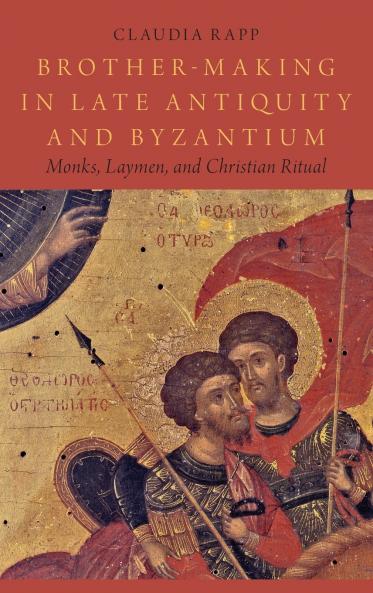
<p>Among medieval Christian societies Byzantium is unique in preserving an ecclesiastical ritual of <em>adelphopoiesis</em> which pronounces two men not related by birth as brothers for life. It has its origin as a spiritual blessing in the monastic world of late antiquity and it becomes a popular social networking strategy among lay people from the ninth century onwards even finding application in recent times. Located at the intersection of religion and society brother-making exemplifies how social practice can become ritualized and subsequently subjected to attempts of ecclesiastical and legal control.</p><p>Controversially <em>adelphopoiesis</em> was at the center of a modern debate about the existence of same-sex unions in medieval Europe. This book the first ever comprehensive history of this unique feature of Byzantine life argues persuasively that the ecclesiastical ritual to bless a relationship between two men bears no resemblance to marriage. Wide-ranging in its use of sources from a complete census of the manuscripts containing the ritual of <em>adelphopoiesis</em> to the literature and archaeology of early monasticism and from the works of hagiographers historiographers and legal experts in Byzantium to comparative material in the Latin West and the Slavic world <em>Brother-Making in Late Antiquity and Byzantium</em> examines the fascinating religious and social features of the ritual shedding light on little known aspects of Byzantine society.</p>

Piracy-free

Assured Quality

Secure Transactions

Fast Delivery

Sustainably Printed
Details
ISBN 13
9780195389333
Publication Date
-01-02-2016
Pages
-364
Weight
-609 grams
Dimensions
-156x234x23.81 mm
