

English


Paperback
₹5348
₹5451
1.9% OFF
(All inclusive*)
Delivery Options
Please enter pincode to check delivery time.
*COD & Shipping Charges may apply on certain items.
Review final details at checkout.
Looking to place a bulk order? SUBMIT DETAILS

Piracy-free

Assured Quality

Secure Transactions
About The Book
Description
Author
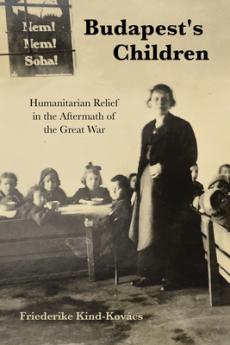
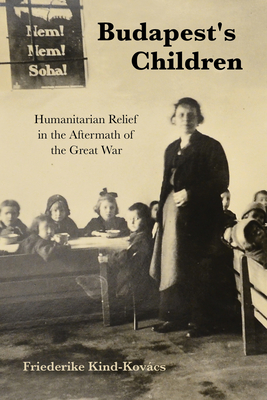
<p><b>In the aftermath of World War I international organizations descended upon the destitute children living in the rubble of Budapest and the city became a testing ground for how the West would handle the most vulnerable residents of a former enemy state.</b><br /><br /><i>Budapest's Children</i> reconstructs how Budapest turned into a laboratory of transnational humanitarian intervention. Friederike Kind-Kovács explores the ways in which migration hunger and destitution affected children's lives casting light on children's particular vulnerability in times of distress. Drawing on extensive archival research Kind-Kovács reveals how Budapest's children as iconic victims of the war's aftermath were used to mobilize humanitarian sentiments and practices throughout Europe and the United States. With this research <i>Budapest's Children</i> investigates the dynamic interplay between local Hungarian organizations international humanitarian donors and the child relief recipients. <br /><br />In tracing transnational relief encounters <i>Budapest's Children</i> reveals how intertwined postwar internationalism and nationalism were and how child relief reinforced revisionist claims and global inequalities that still reverberate today.</p>
Piracy-free
Assured Quality
Secure Transactions
Delivery Options
Please enter pincode to check delivery time.
*COD & Shipping Charges may apply on certain items.
Review final details at checkout.
Details
ISBN 13
9780253062161
Publication Date
-05-07-2022
Pages
-358
Weight
-509 grams
Dimensions
-156x234x20.28 mm
