

English



Paperback
₹12137
₹15963
23.97% OFF
(All inclusive*)
Delivery Options
Please enter pincode to check delivery time.
*COD & Shipping Charges may apply on certain items.
Review final details at checkout.
Looking to place a bulk order? SUBMIT DETAILS

Piracy-free

Assured Quality

Secure Transactions
About The Book
Description
Author
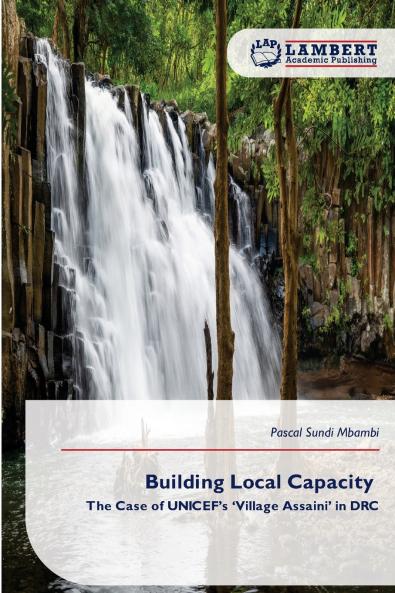
Despite global progress poverty persists in many developing countries where national and donor-led strategies often fail to produce real change. This book examines whether a human rights-based approach to development (HRBAD) rooted in capacity development can support sustainable and locally driven state-building. Combining a literature review with a field case study of UNICEF's village assaini programme in Kongo Central (DRC) it explores local understandings of rights - especially the right to water. The study highlights two key insights: the need to expand the notion of 'duty-bearers' to include actors such as private companies and development agencies and the importance of strengthening 'rights consciousness' among marginalized communities. By revisiting HRBAD principles - participation accountability and empowerment - it proposes a more inclusive approach to capacity development. The conclusion offers practical ways for states donors and citizens to better operationalize HRBAD and advance more sustainable people-centred development.
Piracy-free
Assured Quality
Secure Transactions
Delivery Options
Please enter pincode to check delivery time.
*COD & Shipping Charges may apply on certain items.
Review final details at checkout.
Details
ISBN 13
9786209336980
Publication Date
-15-12-2025
Pages
-272
Weight
-373 grams
Dimensions
-152x229x15.6 mm
