

English


₹2658
₹2942
9.65% OFF
(All inclusive*)
Paperback
Delivery Options
Please enter pincode to check delivery time.
*COD & Shipping Charges may apply on certain items.
Review final details at checkout.
Looking to place a bulk order? SUBMIT DETAILS
Delivery Options
Please enter pincode to check delivery time.
*COD & Shipping Charges may apply on certain items.
Review final details at checkout.
About The Book
Description
Author
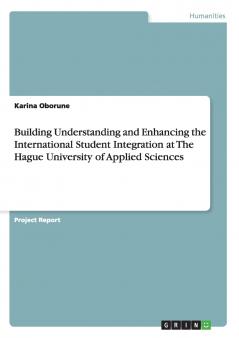
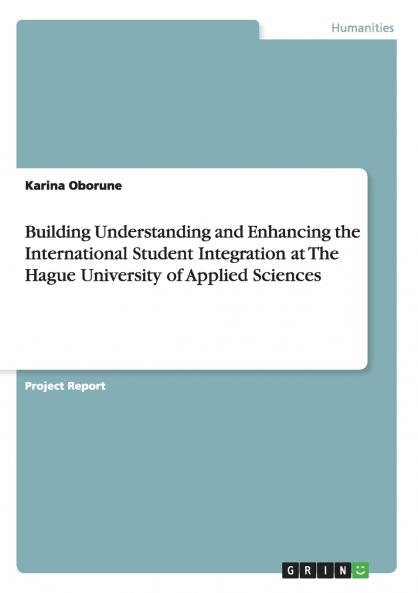
Project Report from the year 2014 in the subject Sociology - Communication grade: A The Hague University course: Master in International Communication language: English abstract: When students are traveling to study abroad they may face different issues such as loneliness isolation discrimination that may affect their academic performance and cause stress and mental health problems directly or indirectly.Di Tommaso and Spinner found out that integration into social networks is the best predictor of lower levels of social loneliness. Universities provide support for international students and it is intended to facilitate an optimal (from the point of view of the universities) academic and social adjustment however causing boring and lonely social life 'outside the classroom' and feeling a lack of belonging contribute to their sense of alienation in the host society.Due to the heavy study load and stress and because of lack of time international students tend to have more in-door activities. Because of the developed technologies and internet most of them prefer to communicate through social media: especially when they encounter problems in their daily life they tend to search solutions via social channels on internet.Moreover the media channels that The Hague University of Applied Sciences (hereinafter HHS) uses now seems not to be adequate for integration. HHS uses media tools such as blackboard and emails to communicate with the students and students could theoretically build up certain conversation via blackboard. However students consider both channels as formal channels that are one-way communication channels instead of desired social channels which is two-way communication. In other words students expect an effective mediator that can help them to understand and to adapt to the new studying and living environment. Hence it is important to develop effective media channels that will contribute to integration among international students

Piracy-free

Assured Quality

Secure Transactions

Fast Delivery

Sustainably Printed
Details
ISBN 13
9783668166288
Publication Date
-24-03-2016
Pages
-42
Weight
-65 grams
Dimensions
-148x210x2.56 mm
