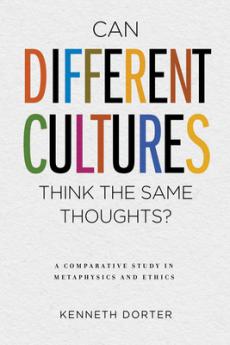
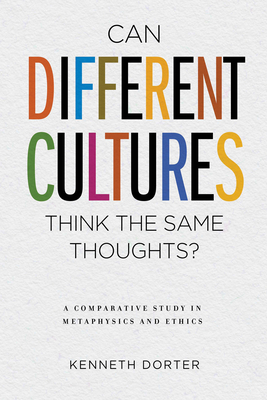
<p>Kenneth Dorter's <i>Can Different Cultures Think the Same Thoughts?</i> is a study of fundamental issues in metaphysics and ethics across major philosophical traditions of the world including the way in which metaphysics can be a foundation for ethics as well as the importance of metaphysics on its own terms. Dorter examines such questions through a detailed comparison of selected major thinkers and classic works in three global philosophical traditions those of India China and the West.</p><p>In each chapter Dorter juxtaposes and compares two or more philosophers or classic works from different traditions from Spinoza and Shankara to Confucius and Plato to Marcus Aurelius and the Bhagavad Gita. In doing so he explores different perspectives and reveals limitations and assumptions that might otherwise be obscure.</p><p>The goal of Dorter's cross-cultural approach is to consider how far works from different cultures can be understood as holding comparable philosophical views. Although Dorter reveals commonalities across the different traditions he makes no claim that there is such a thing as a universal philosophy. Clearly there are fundamental disagreements among the philosophers and works studied. Yet in each of the case studies of a particular chapter we can discover a shared or at least analogous way of looking at issues across different cultures. All those interested in metaphysics ethics Indian philosophy Chinese philosophy and comparative philosophy will find much of interest in this book.</p>
Piracy-free
Assured Quality
Secure Transactions
Delivery Options
Please enter pincode to check delivery time.
*COD & Shipping Charges may apply on certain items.