

English


Paperback
₹4195
(All inclusive*)
Delivery Options
Please enter pincode to check delivery time.
*COD & Shipping Charges may apply on certain items.
Review final details at checkout.
Looking to place a bulk order? SUBMIT DETAILS
Delivery Options
Please enter pincode to check delivery time.
*COD & Shipping Charges may apply on certain items.
Review final details at checkout.
About The Book
Description
Author
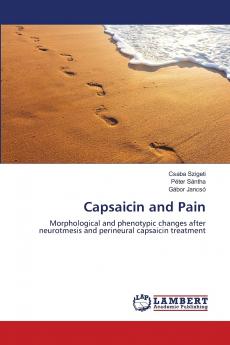
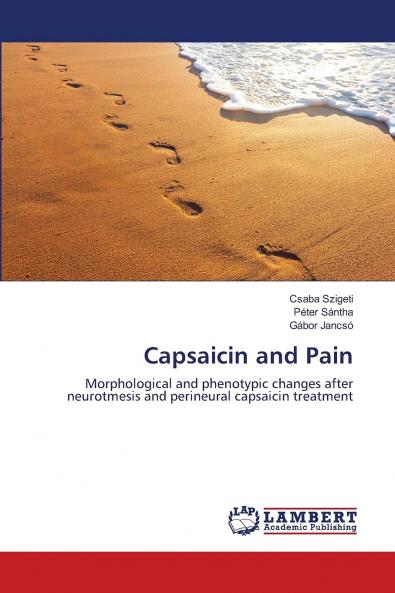
Different types of mechanical chemical and metabolic injuries may damage peripheral nerves and produce impairments in sensory motor and autonomic functions. Transection of peripheral nerves results in neurotmesis the most severe form of nerve injury characterized by a complete division of the nerve which may be associated with neuropathic pain and related painful dysaesthesias. It was suggested that both the axotomy- and the perineural capsaicin treatment-induced reductions in the sensitivity of primary afferent neurons to capsaicin might be related to a downregulation of the capsaicin/TRPV1 receptor. Changes in TRPV1 protein/mRNA level were investigated with in situ hybridization quantitative reverse transcription polymerase chain reaction immunohistochemistry and Western blot analysis. Our results suggest the involvement of distinct cellular mechanisms in the regulation of the TRPV1 mRNA expression of damaged neurons specifically triggered by the nature of the injury. The antinociceptive and anti-inflammatory effects of perineurally applied capsaicin involve distinct changes in neuronal TRPV1 mRNA expression and long-lasting alterations in (post)translational regulation.

Piracy-free

Assured Quality

Secure Transactions

Fast Delivery

Sustainably Printed
Details
ISBN 13
9783659402449
Publication Date
-31-05-2013
Pages
-68
Weight
-106 grams
Dimensions
-152x229x4.25 mm
