

English


₹1298
₹1521
14.66% OFF
(All inclusive*)
Paperback
Delivery Options
Please enter pincode to check delivery time.
*COD & Shipping Charges may apply on certain items.
Review final details at checkout.
Looking to place a bulk order? SUBMIT DETAILS
Delivery Options
Please enter pincode to check delivery time.
*COD & Shipping Charges may apply on certain items.
Review final details at checkout.
About The Book
Description
Author
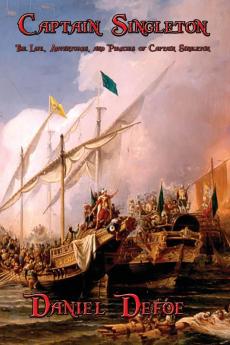
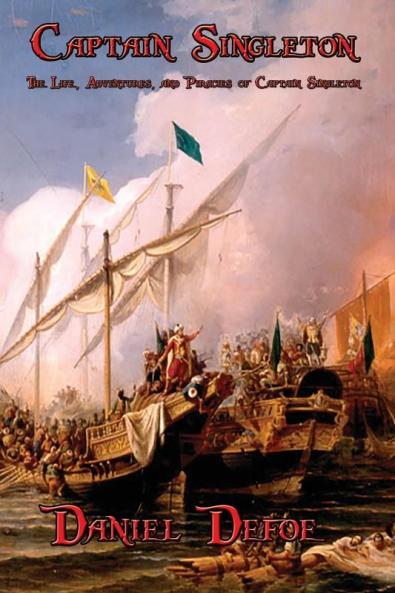
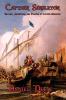
<p><strong>Daniel Defoe's <em>Captain Singleton</em> is a vigorous early English novel of piracy survival crime travel and moral reckoning.</strong> Kidnapped as a child abandoned into a brutal world and driven through danger by necessity and appetite Bob Singleton becomes an adventurer wanderer and pirate whose life crosses seas continents criminal enterprises and uneasy spiritual reflection. Defoe gives the story the force of a supposed confession combining maritime adventure colonial travel outlaw life and the practical detail that made his fiction feel startlingly immediate to eighteenth-century readers.</p><p>First published in 1720 as <em>The Life Adventures and Piracies of the Famous Captain Singleton</em> the novel belongs to the great early period of Defoe's fiction close in date and spirit to <em>Robinson Crusoe</em> <em>Moll Flanders</em> <em>A Journal of the Plague Year</em> and <em>Roxana</em>. Its account of piracy and wandering places it naturally among classic sea stories and early adventure fiction while its interest in conscience commerce survival and repentance reflects Defoe's larger concern with the moral pressures of modern life. Readers of classic fiction pirate novels sea adventure eighteenth-century literature early English novels and historical adventure will find in <em>Captain Singleton</em> one of Defoe's most energetic and revealing works.</p>

Piracy-free

Assured Quality

Secure Transactions

Fast Delivery

Sustainably Printed
Details
ISBN 13
9781515401704
Publication Date
-03-08-2015
Pages
-226
Weight
-312 grams
Dimensions
-152x229x13.08 mm
