


English



Paperback
₹4877
(All inclusive*)
Delivery Options
Please enter pincode to check delivery time.
*COD & Shipping Charges may apply on certain items.
Review final details at checkout.
Looking to place a bulk order? SUBMIT DETAILS

Piracy-free

Assured Quality

Secure Transactions
About The Book
Description
Author
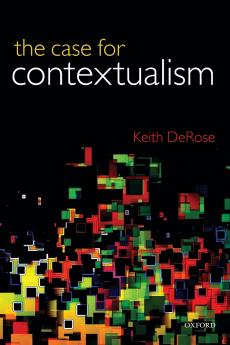
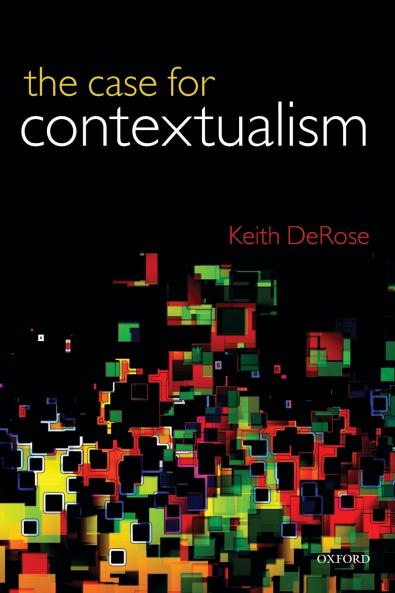
It''s an obvious enough observation that the standards that govern whether ordinary speakers will say that someone knows something vary with context: What we are happy to call knowledge in some (low-standards) contexts we''ll deny is knowledge in other (high-standards) contexts. But do these varying standards for when ordinary speakers will attribute knowledge and for when they are in some important sense warranted in attributing knowledge reflect varying standards for when it is or would be true for them to attribute knowledge? Or are the standards that govern whether such claims are true always the same? And what are the implications for epistemology if these truth-conditions for knowledge claims shift with context? Contextualism is the view that the epistemic standards a subject must meet in order for a claim attributing knowledge to her to be true do vary with context. This has been hotly debated in epistemology and philosophy of language during the last few decades. In The Case for Contextualism Keith DeRose offers a sustained state-of-the-art exposition and defense of the contextualist position presenting and advancing the most powerful arguments in favor of the view and against its invariantist rivals and responding to the most pressing objections facing contextualism.
Piracy-free
Assured Quality
Secure Transactions
Delivery Options
Please enter pincode to check delivery time.
*COD & Shipping Charges may apply on certain items.
Review final details at checkout.
Details
ISBN 13
9780199692255
Publication Date
-01-06-2011
Pages
-304
Weight
-435 grams
Dimensions
-156x234x16.18 mm
