


English



₹13352
₹16738
20.23% OFF
(All inclusive*)
Hardback
Delivery Options
Please enter pincode to check delivery time.
*COD & Shipping Charges may apply on certain items.
Review final details at checkout.
Looking to place a bulk order? SUBMIT DETAILS
Delivery Options
Please enter pincode to check delivery time.
*COD & Shipping Charges may apply on certain items.
Review final details at checkout.
About The Book
Description
Author
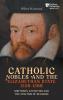
<b>A vivid exploration of how Catholicism endured far longer into the Elizabethan era and continued to shape the very identity of early modern England.</b><br><br><br>This compelling study delves into the complexities of religious and political power during Elizabeth I's reign presenting a further important challenge to the traditional narratives of a swift and uncontested Protestant triumph. Here Wilfred Hammond explores why Catholic aristocrats despite wielding significant regional power and Court influence failed to block or reverse the emerging religious revolution. <br><br>Focusing on the Stanley earls of Derby the dominant noble family in Lancashire - a county described by the Elizabethan government as the very sink of popery - the author reconstructs their role in obstructing Protestant reform. Using the State and Cecil Papers as well as foreign ambassadorial reports the study re-evaluates the Stuart party-building efforts of Lady Margaret Douglas and Mary Queen of Scots. Hammond re-examines the context of the papal bull of deposition and uncovers the Stanley-Gerard conspiracy of 1570 with its links to the Ridolfi Plot.<br><br>This richly detailed analysis of the Stanleys positions them at the heart of a network of nobles including the Percies and Nevilles who were opposed to the religious change presented by Protestantism. As such this vibrant case-study unfolds to offer fresh insights into the slow fraught transformation of England's religious landscape during one of its most turbulent periods.

Piracy-free

Assured Quality

Secure Transactions

Fast Delivery

Sustainably Printed
Details
ISBN 13
9781914967030
Publication Date
-15-04-2025
Pages
-468
Weight
-752 grams
Dimensions
-156x234x25.4 mm
