



This Book is Out of Stock!
English




Hardback
₹9688
₹12794
24.28% OFF
(All inclusive*)
Delivery Options
*COD & Shipping Charges may apply on certain items.
Review final details at checkout.
Looking to place a bulk order? SUBMIT DETAILS

Piracy-free

Assured Quality

Secure Transactions
About The Book
Description
Author(s)
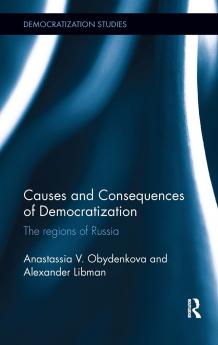
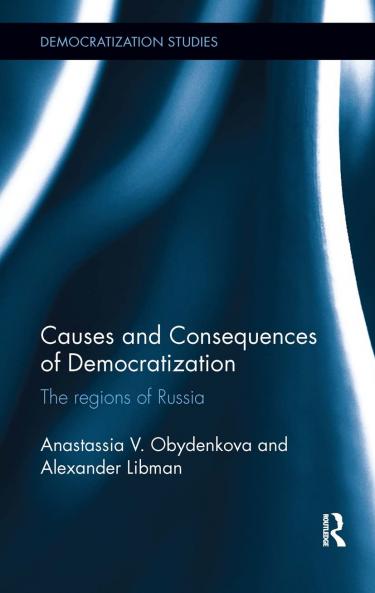
<p>In recent decades the regions of Russia have taken different paths of regime transition. Despite the consolidation of an autocratic regime at national level and the centralization steered by Vladimir Putin’s government the variation across sub-national regimes persists.</p><p>Using an innovative theoretical framework this book explores both causes and consequences of democratization in the regions of Russia. It is the first study in the field to systematically integrate structural and agency approaches in order to account for economic social historical and international causes of democratization and to trace its consequences. By focusing on the challenging and under-studied topic of sub-national regimes the book provides a unique perspective on regime transition and the new theoretical framework contributes to a better understanding of democratization world-wide. </p><p>The book will be of key interest to scholars and students of democratization sub-national regimes East European politics comparative politics post-communism and international relations.</p>
Piracy-free
Assured Quality
Secure Transactions
*COD & Shipping Charges may apply on certain items.
Review final details at checkout.
₹9688
₹12794
24% OFF
Hardback
Out Of Stock
All inclusive*
Details
ISBN 13
9781138818187
Publication Date
-09-06-2015
Pages
-244
Weight
-363 grams
Dimensions
-138x216x14.54 mm
