


by
English



Hardback
₹11847
(All inclusive*)
Delivery Options
Please enter pincode to check delivery time.
*COD & Shipping Charges may apply on certain items.
Review final details at checkout.
Looking to place a bulk order? SUBMIT DETAILS

Piracy-free

Assured Quality

Secure Transactions
About The Book
Description
Author
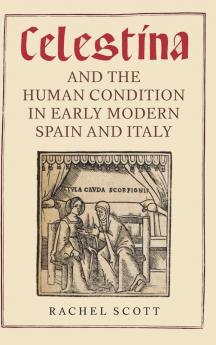
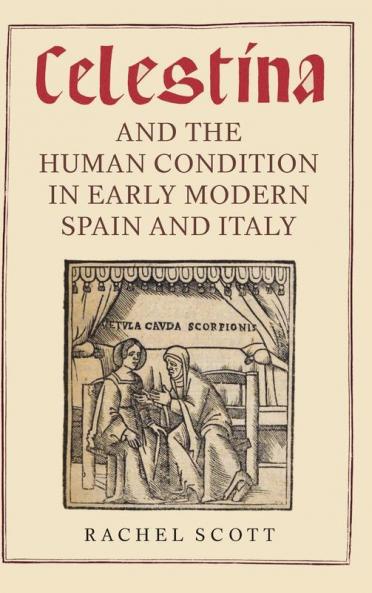
<p>Winner of the 2015 Publication Prize awarded by the Association of Hispanists of Great Britain and Ireland. Celestina by Fernando de Rojas is a canonical work of late medieval Spanish literature and one of the earliest European &quot;best-sellers.&quot; However while we have clear evidence of its popularity and influence scholarship has not adequately answered the question of why it continued to hold such appeal for early modern audiences. This book explores Celestina&#39;s role as a key interlocutor in European literature and thought; it argues that the work continued to be meaningful because it engaged with one of the period&#39;s defining preoccupations: the human condition an idea often conceptualised in pro et contra debates about the misery and dignity of man. Taking an ideological and comparative approach that focuses on Celestina&#39;s reception in sixteenth-century Spain and Italy it reads Rojas&#39;s work against a network of texts that were translated and printed concurrently in both peninsulas yet which have not previously been examined in depth or detail alongside it including Baldassare Castiglione&#39;s Il Cortegiano Fernan Perez de Oliva&#39;s Dialogo de la dignidad del hombre and Pietro Aretino&#39;s Vita delle puttane. Each chapter explores themes common to sixteenth-century debates about the human condition such as self-knowledge self-fashioning the formative role of language the tension between freedom and constraint as well as the access to knowledge provided by vernacular fiction in the context of early modern censorship. Rachel Scott is a Postdoctoral Research Associate at King&#39;s College London.</p>
Piracy-free
Assured Quality
Secure Transactions
Delivery Options
Please enter pincode to check delivery time.
*COD & Shipping Charges may apply on certain items.
Review final details at checkout.
Details
ISBN 13
9781855663183
Publication Date
-15-09-2017
Pages
-232
Weight
-428 grams
Dimensions
-156x234x14.29 mm
