

English


Paperback
₹3951
(All inclusive*)
Delivery Options
Please enter pincode to check delivery time.
*COD & Shipping Charges may apply on certain items.
Review final details at checkout.
Looking to place a bulk order? SUBMIT DETAILS
Delivery Options
Please enter pincode to check delivery time.
*COD & Shipping Charges may apply on certain items.
Review final details at checkout.
About The Book
Description
Author
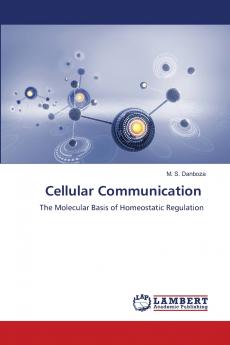
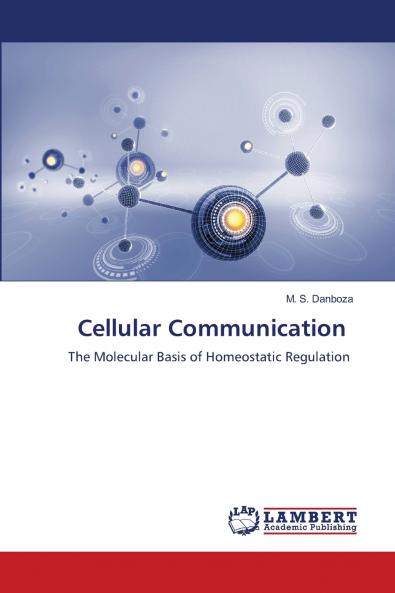
This book provides a comprehensive overview of cellular communication highlighting its significance in maintaining physiological processes. It begins with an introduction to cellular communication and its molecular components such as ligands receptors intracellular signaling proteins and feedback mechanisms. Various cell signaling methods are categorized based on distance signal nature and transmission pathways. Key signal transduction pathways including GPCR RTK JAK/STAT and PI3K-Akt are explored alongside their roles in signal reception transduction cellular response and termination. Subsequent chapters delve into specific receptor types such as GPCRs tyrosine kinase receptors and nuclear receptors as well as second messengers in intracellular signaling cascades. Finally the book examines the application of cellular communication in physiological systems like the nervous endocrine and immune systems emphasizing its role in maintaining homeostasis and responding to environmental stimuli.

Piracy-free

Assured Quality

Secure Transactions

Fast Delivery

Sustainably Printed
Details
ISBN 13
9786208420642
Publication Date
-09-01-2025
Pages
-88
Weight
-132 grams
Dimensions
-150x220x5.12 mm
