


This Book is Out of Stock!
English


Paperback
₹3588
₹4360
17.71% OFF
(All inclusive*)
Delivery Options
*COD & Shipping Charges may apply on certain items.
Review final details at checkout.
Looking to place a bulk order? SUBMIT DETAILS

Piracy-free

Assured Quality

Secure Transactions
About The Book
Description
Author
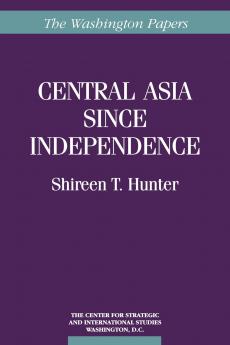
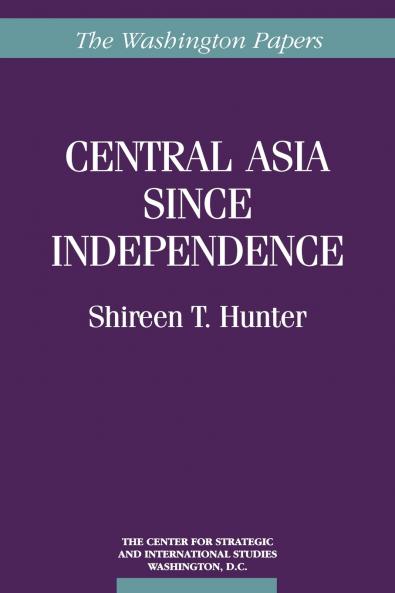
When the Soviet Union officially ended in December 1991 and was replaced by the Commonwealth of Independent States the five Central Asian republicsKazakstan Kyrgystan Tajikistan Turkmenistan and Uzbekistanalso became independent. This study examines the course of nationalist ethnic and pro-independence movements in the Central Asian region since 1991 as well as the geopolitical situation surrounding and involving these new states. Because of differences in size ethnic composition historical and cultural characteristics resource base and geographical location these countries'' patterns of evolution during the post-independence period have varied greatly. Nevertheless during the last few years certain basic common patterns have emerged both in the political and economic development of the Central Asian states and in their external relations. These patterns and developments are analyzed here by a noted expert in Eurasian studies.
Piracy-free
Assured Quality
Secure Transactions
*COD & Shipping Charges may apply on certain items.
Review final details at checkout.
₹3588
₹4360
17% OFF
Paperback
Out Of Stock
All inclusive*
Details
ISBN 13
9780275955397
Publication Date
-21-06-1996
Pages
-242
Weight
-350 grams
Dimensions
-156x234x12.94 mm
