


English





Paperback
₹6304
₹8444
25.34% OFF
(All inclusive*)
Delivery Options
Please enter pincode to check delivery time.
*COD & Shipping Charges may apply on certain items.
Review final details at checkout.
Looking to place a bulk order? SUBMIT DETAILS

Piracy-free

Assured Quality

Secure Transactions
About The Book
Description
Author
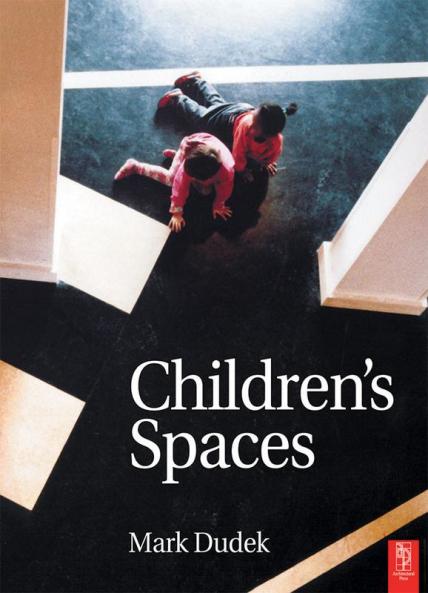
This collection of essays is concerned with the experiences children have within the supervised worlds they inhabit as well as with architecture and landscape architecture.International examples of innovative childcare practice are illustrated together with the design processes which informed their development. The emphasis here is on new and experimental childcare projects which set-out to reassert the rights of children to participate in a complex multi-faceted world which is no longer available to them unless under adult supervision. Research supports in depth recommendations regarding the ideal children's environment across a range of contexts and dimensions.Until recent times the needs of children within the urban environment were largely ignored. There is little tradition and no broadly agreed contemporary architectural or landscape theory as to how children should be provided for beyond a limited functional agenda.There is a sense that architecture for childhood is not taken seriously; it is either whimsical and ephemeral or largely designed for adults an adjunct to the more important business of adult needs and aspirations. Yet children access much of their education and development through play and social interaction with their childhood counterparts. The spaces in and around childrens daycare centres schools supervised parks and other dedicated childrens environments are the subject of this collection.As more and more purpose designed buildings and gardens for children are opened the need to listen to children and their carers is becoming more aparant. Mark Dudek gathers together a number of internationally recognized experts in the field of childcare environments to write about different aspects of the landscape. They have been chosen in particular because of their background in enquiring research orientated work both theoretical and practical. They listen to and watch children.Contributors have considered the childs environment as one which is secure and controlled yet offers additional environmental dimensions which extend developmental possibilities. Children often spend a great deal of time in daycare facilties and schools as parents are absorbed in their own work and leisure activities. This places an emphasis on architects and planners to consider the needs of children in great detail. As such the childrens environment must be conceived of as a rich complex place; a world within a world.We use the word LANDSCAPE in recognition that children do not differentiate between the inside and the outside private and public; every part of their perception is open to stimulation by a stimulating environment.
Piracy-free
Assured Quality
Secure Transactions
Delivery Options
Please enter pincode to check delivery time.
*COD & Shipping Charges may apply on certain items.
Review final details at checkout.
Details
ISBN 13
9780750654265
Publication Date
-19-09-2005
Pages
-320
Weight
-736 grams
Dimensions
-210x280x17.04 mm
