



This Book is Out of Stock!
English



Paperback
₹5433
₹7036
22.78% OFF
(All inclusive*)
Delivery Options
*COD & Shipping Charges may apply on certain items.
Review final details at checkout.
Looking to place a bulk order? SUBMIT DETAILS

Piracy-free

Assured Quality

Secure Transactions
About The Book
Description
Author
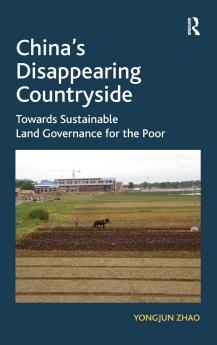
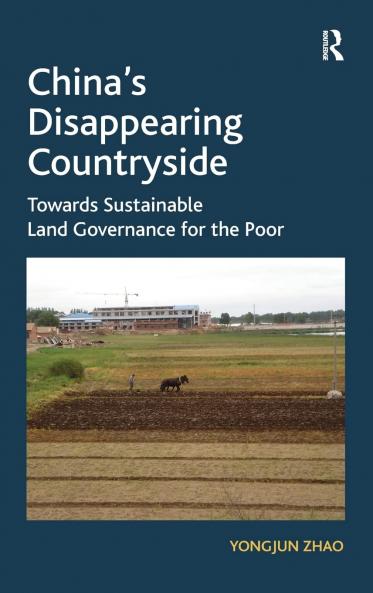
While China’s hybrid rural land tenure system has contributed to agricultural development it is interwoven with rising farmland loss and social conflicts.This book examines the linkages between land tenure development and governance in the context of China’s development transformation. Drawing on empirical studies it advocates the exploration of innovative land tenure systems that address the wider determinants: institutions power politics and social development. It argues that a land tenure system can only be sustainable when it is compatible with the overall biophysical social political and economic conditions. This new institutional lens into the conditions and dynamics of land tenure systems marks a paradigm shift away from those focusing on the narrow meaning of land rights and tenure security strengthening as these approaches can paradoxically contribute to weaker land and resource governance. Contributing to an enhanced understanding of the challenges China faces in agricultural development and natural resource governance and to the international debates on land tenure reform this book will be of interest to researchers practitioners policy-makers and students in development studies anthropology sociology political sciences law geography economics public administration and other relevant disciplines. The lessons learnt from China also shed light on its global engagement on sustainable development and governance issues.
Piracy-free
Assured Quality
Secure Transactions
*COD & Shipping Charges may apply on certain items.
Review final details at checkout.
₹5433
₹7036
22% OFF
Paperback
Out Of Stock
All inclusive*
Details
ISBN 13
9781138277236
Publication Date
-28-11-2016
Pages
-174
Weight
-257 grams
Dimensions
-156x234x9.54 mm
