

English


Hardback
₹15606
₹18368
15.04% OFF
(All inclusive*)
Delivery Options
Please enter pincode to check delivery time.
*COD & Shipping Charges may apply on certain items.
Review final details at checkout.
Looking to place a bulk order? SUBMIT DETAILS
Delivery Options
Please enter pincode to check delivery time.
*COD & Shipping Charges may apply on certain items.
Review final details at checkout.
About The Book
Description
Author(s)
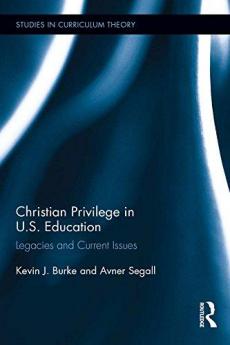
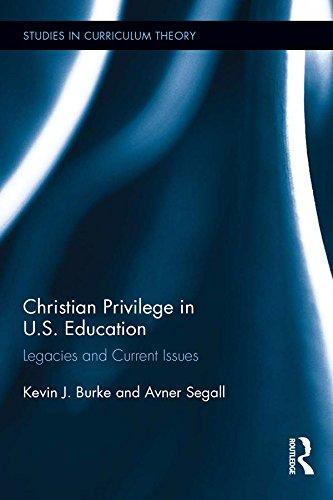
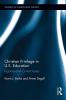
<p>Using critical curriculum theory as its lens this book explores the relationship between religion—specifically Christianity and the Judeo-Christian ethos underlying it—and secular public education in the United States. Despite various 20th-century court decisions separating religion and education the authors challenge that religion is in fact absent from public education suggesting instead that it is in fact very much embedded in current public educational practices and discourses and in a variety of assumptions and perspectives underlying understandings of teaching learning and teacher preparation. The book reframes the discussion about religion and schooling arguing that it remains in the language and metaphors of education in the practices and routines of schooling in conceptions of the ’child and the teacher (and what happens between them in the spaces we call learning the classroom and curriculum) as well as in assumptions about the role of schools emanating from such conceptions and in the current movement toward accountability standardization and testing. <i>Christian Privilege in U.S. Education </i>examines not whether Christianity has a place in public education but rather the very ways in which it is pervasive in a legally secular system of education even when religion is not a topic taught in school.</p>

Piracy-free

Assured Quality

Secure Transactions

Fast Delivery

Sustainably Printed
Details
ISBN 13
9781138649941
Publication Date
-08-12-2016
Pages
-162
Weight
-317 grams
Dimensions
-152x229x10.32 mm
