

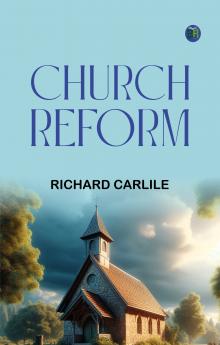
English
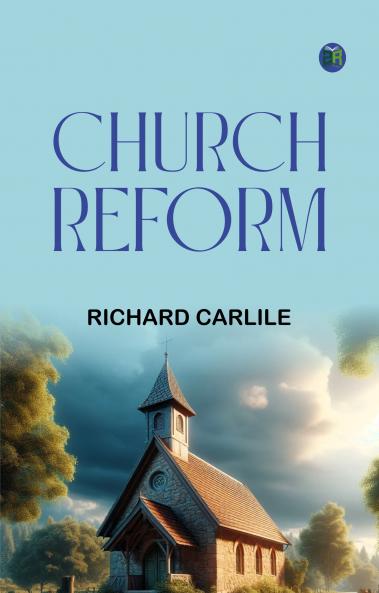


Paperback
₹205
₹250
18% OFF
(All inclusive*)
Delivery Options
Please enter pincode to check delivery time.
*COD & Shipping Charges may apply on certain items.
Review final details at checkout.
Looking to place a bulk order? SUBMIT DETAILS
Delivery Options
Please enter pincode to check delivery time.
*COD & Shipping Charges may apply on certain items.
Review final details at checkout.
About The Book
Description
Author
In Church Reform Carlile critiques what he perceives as the hypocrisy and corruption within the Church of England. He argues that the Church perpetuates ignorance and oppression and that its hierarchical structure benefits the wealthy clergy at the expense of the common people. Carlile advocates for the removal of church authority from civil governance urging reforms that would abolish the Church’s privileged status and dismantle its control over education morality and law. Carlile’s book also reflects the broader social and political currents of the time particularly the push for democratic reforms in Britain. He saw the established church as a barrier to progress and believed that by weakening its power society could advance towards greater justice equality and intellectual freedom. Church Reform was part of Carlile's larger body of work aimed at promoting rationalism and challenging religious orthodoxy making him a key figure in the history of British secularism and reform movements.

Piracy-free

Assured Quality

Secure Transactions

Fast Delivery

Sustainably Printed
Details
ISBN 13
9789362779762
Publication Date
-11-11-2024
Pages
-56
Weight
-78 grams
Dimensions
-139.7x215.9x3.6 mm
