

English



₹13158
₹17462
24.65% OFF
(All inclusive*)
Hardback
Delivery Options
Please enter pincode to check delivery time.
*COD & Shipping Charges may apply on certain items.
Review final details at checkout.
Looking to place a bulk order? SUBMIT DETAILS
Delivery Options
Please enter pincode to check delivery time.
*COD & Shipping Charges may apply on certain items.
Review final details at checkout.
About The Book
Description
Author
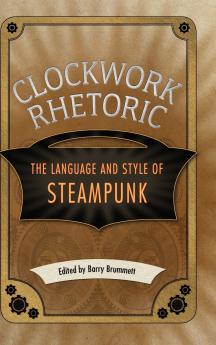
This unique book explores how the aesthetic/cultural movement Steampunk persuades audiences through rhetoric. Steampunk is an aesthetic style grounded in the Victorian era or the age of steam. It borrows the clothing and other symbolic trappings of that era but what is most reliably distinctive is its use of a machine aesthetic based on steam engines and early electrical machinery: gears pistons shafts wheels induction motors and so forth. The aesthetic was first articulated in literature during that period in the works of Jules Verne and H. G. Wells. The American West has contributed images to the aesthetic many of them grounded in the revolvers locomotives and rifles of the second half of the nineteenth century. It has found common aesthetic cause with Goth style among young people. Examples from literature and popular culture include William Gibson's fiction China Miéville's novels the classic film Metropolis and the BBC series Doctor Who. Steampunk is a unique popular culture phenomenon; it is also a unique opportunity for rhetorical criticism. Steampunk's art style and narratives convey complex social and political meanings. These chapters explore topics ranging widely from jewelry to Japanese anime to contemporary imperialism to fashion. Mainly the book addresses how consumers of steampunk are influenced to have certain social political attitudes and commitments.

Piracy-free

Assured Quality

Secure Transactions

Fast Delivery

Sustainably Printed
Details
ISBN 13
9781628460919
Publication Date
-01-09-2014
Pages
-244
Weight
-424 grams
Dimensions
-152x229x17.46 mm
