


This Book is Out of Stock!
English


Hardback
₹994
₹1199
17.1% OFF
(All inclusive*)
Delivery Options
*COD & Shipping Charges may apply on certain items.
Review final details at checkout.
Looking to place a bulk order? SUBMIT DETAILS
*COD & Shipping Charges may apply on certain items.
Review final details at checkout.
₹994
₹1199
17% OFF
Hardback
Out Of Stock
All inclusive*
About The Book
Description
Author
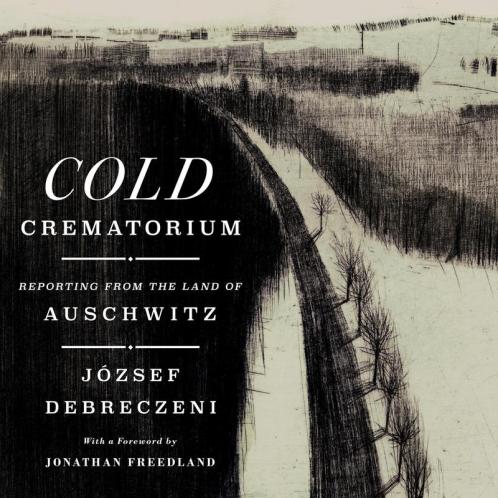
<p><b>József Debreczeni (Author) </b><br><b>József Debreczeni </b>was a Hungarian-language novelist poet and journalist who spent most of his life in the former Yugoslavia. He was an editor of the Hungarian daily newspaper <i>Ãœnnep</i> in Budapest from which he was dismissed due to anti-Jewish legislation. He was later a contributor to the Hungarian media including the newspaper <i>Napló</i> in the Yugoslav region of Vojvodina as well as leading Belgrade newspapers. He was awarded the HÃd Prize the highest distinction in Hungarian literature in the former Yugoslavia.<br><br><b>Paul Olchvary (Translator) </b><br><b>Paul Olchváry</b> has translated many books for leading publishers including György Dragomán's <i>The White King</i> András Forgách's <i>No Live Files Remain</i> Ã?dám Bodor's<i> The Sinistra Zone</i> Vilmos Kondor's <i>Budapest Noir </i>and Károly Pap's <i>Azarel</i>. He has received translation awards from the National Endowment for the Arts PEN America and Hungary's Milán Füst Foundation. His shorter translations have appeared in the<i> Paris Review</i> <i>New York Times Magazine</i> <i>Kenyon Review</i> <i>Tablet</i> <i>AGNI </i>and <i>Guernica</i>. He lives in Williamstown Massachusetts.</p> <p><b>The first English-language edition of a lost memoir by a prolific writer offering a deeply moving perspective on life within the camps</b><br><br><b>'A timely reminder of man's inhumanity to man'</b><br>JUNG CHANG author of <i>Wild Swans</i><br><br><b>'Immensely powerful and deeply humane'</b><br>KARL OVE KNAUSGAARD author of <i>My Struggle</i><br><br>When József Debreczeni arrived in Auschwitz in 1944 had he been selected to go 'left' his life expectancy would have been approximately forty-five minutes. One of the 'lucky' ones he was sent to the 'right' which led to twelve horrifying months of incarceration and slave labour in a series of camps ending in the 'Cold Crematorium' - the so-called hospital of the forced labour camp Dörnhau where prisoners too weak to work were left to die.<br><br>Debreczeni beat the odds and survived. Very soon he committed his experiences to paper in <i>Cold Crematorium</i> one of the harshest and powerful indictments of Nazism ever written. This haunting memoir rendered in the precise and unsentimental prose of an accomplished journalist compels the reader to imagine human beings in circumstances impossible to comprehend intellectually.<br><br>First published in Hungarian in 1950 it was never translated due to the rise of McCarthyism Cold War hostilities and antisemitism. This important eyewitness account that was nearly lost to time will be available in fifteen languages finally taking its rightful place among the great works of Holocaust literature more than seventy years after it was first published.</p> An <b>extraordinary memoir</b> ... an unforgettable testimonial to the terror of the Holocaust and the will to endure A <b>timely reminder of man's inhumanity to man</b> especially for the young generation An <b>immensely powerful and deeply humane eyewitness account</b> of the horror of the camps. Through vivid descriptions of what he saw and experienced there Debreczeni confronts the reader with the hell that the Holocaust was; not as something general belonging to history but as a particular concrete and devastating reality An<b> </b>indispensable work of literature and a historical document of unsurpassed importance.<b> It should be required reading</b> József Debreczeni was a journalist and a poet and he brings the skills of both to this remarkable work. <i>Cold Crematorium </i>will awe you with the acuity of its observations and the precision and beauty of its language.<b> It should be read by everyone </b>wishing to understand the cruelty and barbarism of the Shoah but also the indomitable spirit of its survivors <p><b>The first English language edition of a lost memoir by an Auschwitz survivor offering a shocking and deeply moving perspective on life within the camps</b><br><br>József Debreczeni a prolific Hungarian language journalist and poet arrived in Auschwitz in 1944; had he been selected to go 'left' his life expectancy would have been approximately forty-five minutes. One of the 'lucky' ones he was sent to the 'right' which led to twelve horrifying months of incarceration and slave labour in a series of camps ending in the 'Cold Crematorium' - the so-called hospital of the forced labour camp Dörnhau where prisoners too weak to work were left to die.<br><br>Debreczeni beat the odds and survived. Very soon he committed his experiences to paper in <i>Cold Crematorium</i> one of the harshest and powerful indictments of Nazism ever written. This haunting memoir rendered in the precise and unsentimental prose of an accomplished journalist compels the reader to imagine human beings in circumstances impossible to comprehend intellectually.<br><br>First published in Hungarian in 1950 it was never translated due to the rise of McCarthyism Cold War hostilities and antisemitism. More than 70 years later this important eyewitness account that was nearly lost to time will be available in 15 languages finally taking its rightful place among the great works of Holocaust literature.</p>

Piracy-free

Assured Quality

Secure Transactions

Fast Delivery

Sustainably Printed
Details
ISBN 13
9781787334649
Publication Date
-18-01-2024
Pages
-256
Weight
-296 grams
Dimensions
-138x222x16.98 mm
