

English


Paperback
₹6470
₹7696
15.93% OFF
(All inclusive*)
Delivery Options
Please enter pincode to check delivery time.
*COD & Shipping Charges may apply on certain items.
Review final details at checkout.
Looking to place a bulk order? SUBMIT DETAILS
Delivery Options
Please enter pincode to check delivery time.
*COD & Shipping Charges may apply on certain items.
Review final details at checkout.
About The Book
Description
Author
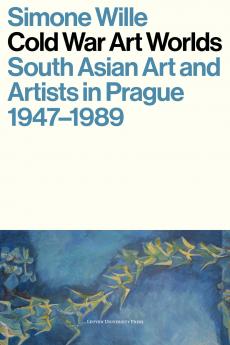
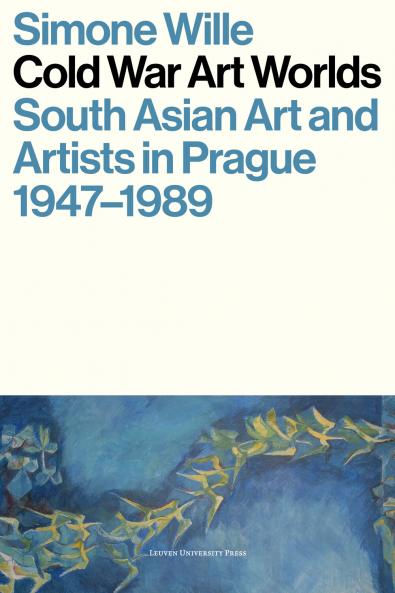
<p><strong>Prague as a vital Cold War hub for South Asian artists.</strong></p><p>During the Cold War the Central-European capital city Prague along with other previously less noticed locations in the polarised post-war world emerged as a key site where an art world of particular importance for artists from South Asia developed. By emphasising cultural mobility as a catalyst for exchange and network building this book challenges and complicates assumptions about Cold War binaries of East and West and the polarisation between so-called totalitarian regimes and free cultures. Positioning Prague as a nexus where South-Asian modernisms intersected with multiple peoples histories and ideologies in the post-World War II era it offers a narrative of decolonisation that rejected rigid systemic alignment in favour of participation across blocs by prioritising migratory aesthetics over nationalist parochialism. Well-researched and rich in archival materials this book proposes new ways of writing art histories and makes a significant contribution to both Cold War studies and critical global modernism studies.</p>

Piracy-free

Assured Quality

Secure Transactions

Fast Delivery

Sustainably Printed
Details
ISBN 13
9789462704701
Publication Date
-05-11-2025
Pages
-278
Weight
-399 grams
Dimensions
-156x234x19.19 mm
