


This Book is Out of Stock!
English




Paperback
₹5105
(All inclusive*)
Delivery Options
*COD & Shipping Charges may apply on certain items.
Review final details at checkout.
Looking to place a bulk order? SUBMIT DETAILS
*COD & Shipping Charges may apply on certain items.
Review final details at checkout.
₹5105
Out Of Stock
All inclusive*
About The Book
Description
Author
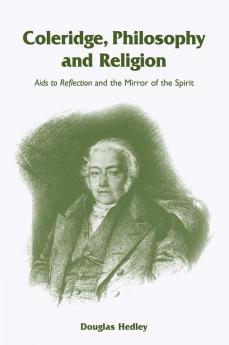
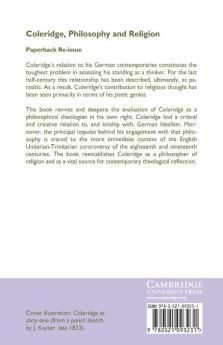
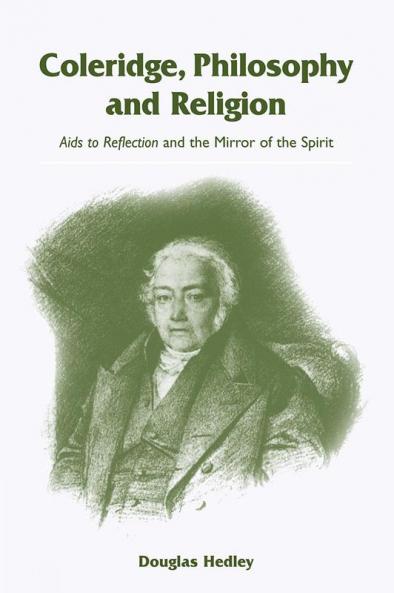
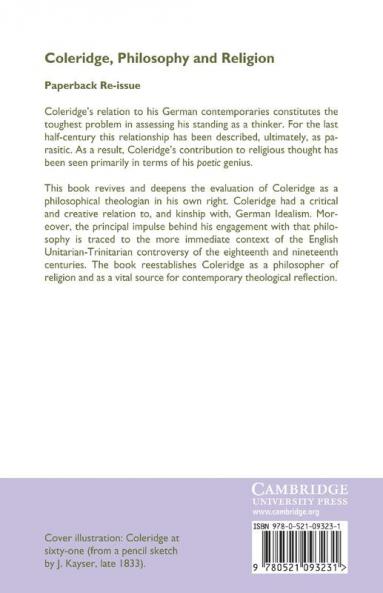
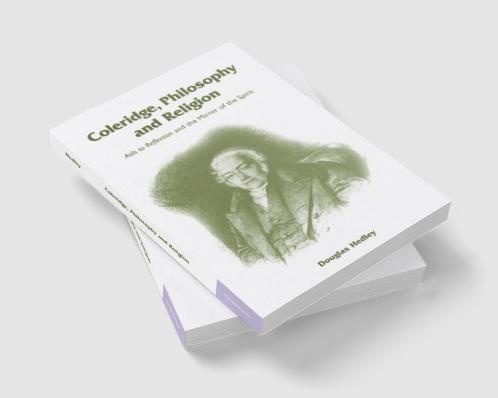
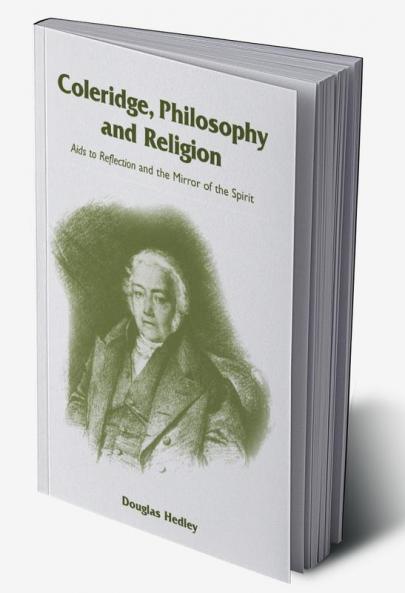
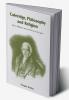
Coleridge''S Relation To His German Contemporaries Constitutes The Toughest Problem In Assessing His Standing As A Thinker. For The Last Half-Century This Relationship Has Been Described Ultimately As Parasitic. As A Result Coleridge''S Contribution To Religious Thought Has Been Seen Primarily In Terms Of His Poetic Genius. This Book Revives And Deepens The Evaluation Of Coleridge As A Philosophical Theologian In His Own Right. Coleridge Had A Critical And Creative Relation To And Kinship With German Idealism. Moreover The Principal Impulse Behind His Engagement With That Philosophy Is Traced To The More Immediate Context Of English Unitarian-Trinitarian Controversy Of The Eighteenth And Nineteenth Centuries. The Book Re-Establishes Coleridge As A Philosopher Of Religion And As A Vital Source For Contemporary Theological Reflection.

Piracy-free

Assured Quality

Secure Transactions

Fast Delivery

Sustainably Printed
Details
ISBN 13
9780521093231
Publication Date
-01-11-2009
Pages
-348
Weight
-472 grams
Dimensions
-152.4x228.6x19.26 mm
