

English


₹7610
₹8888
14.38% OFF
(All inclusive*)
Hardback
Delivery Options
Please enter pincode to check delivery time.
*COD & Shipping Charges may apply on certain items.
Review final details at checkout.
Looking to place a bulk order? SUBMIT DETAILS
Delivery Options
Please enter pincode to check delivery time.
*COD & Shipping Charges may apply on certain items.
Review final details at checkout.
About The Book
Description
Author
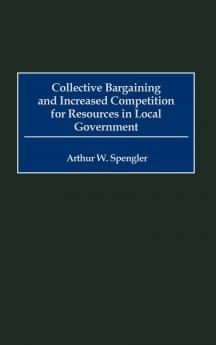
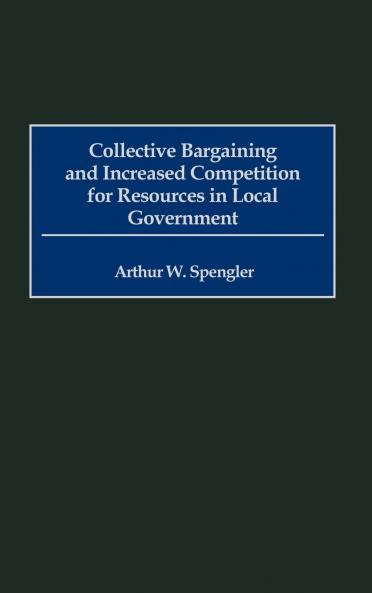
Local government employees have a higher propensity to engage in collective bargaining than do private sector employees. This springs from the tight competition in the local budgeting process among those requesting paying for and providing services. Spengler looks at this trend using a fiscal discontent hypothesis. This approach suggests that the taxpayer revolts during the 1970s and 1980s limited the budget discretion of elected officials and forced public sector employees to turn to collective voice and action to better compete for scarce public resources.Two levels of employee collective voice are examined: the weaker form of organizing and the stronger collective bargaining model. Substantial differences in the use of each are analyzed based on employee occupation state and type of local government. Scholars business practitioners policy makers and researchers in public administration labor relations public policy and local government will find this study an important contribution to understanding the phenomenon of organized collective voice.

Piracy-free

Assured Quality

Secure Transactions

Fast Delivery

Sustainably Printed
Details
ISBN 13
9781567202908
Publication Date
-30-08-1999
Pages
-257
Weight
-442 grams
Dimensions
-152x229x15.25 mm
