


English




Hardback
₹15105
₹17565
14.01% OFF
(All inclusive*)
Delivery Options
Please enter pincode to check delivery time.
*COD & Shipping Charges may apply on certain items.
Review final details at checkout.
Looking to place a bulk order? SUBMIT DETAILS
Delivery Options
Please enter pincode to check delivery time.
*COD & Shipping Charges may apply on certain items.
Review final details at checkout.
About The Book
Description
Author
Shoutouts
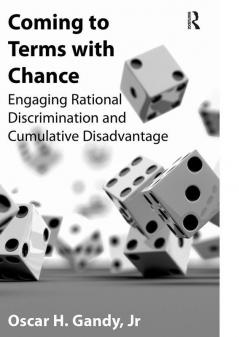
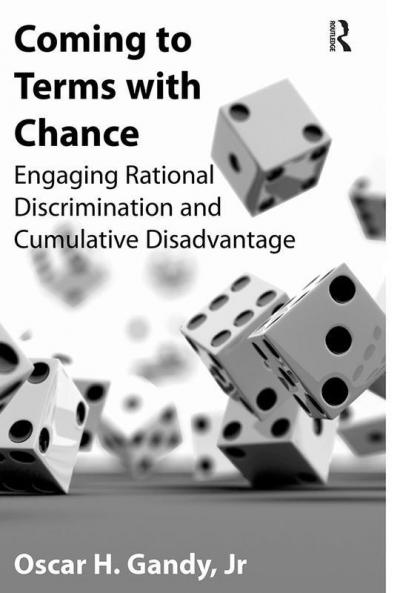
The application of probability and statistics to an ever-widening number of life-decisions serves to reproduce reinforce and widen disparities in the quality of life that different groups of people can enjoy. As a critical technology assessment the ways in which bad luck early in life increase the probability that hardship and loss will accumulate across the life course are illustrated. Analysis shows the ways in which individual decisions informed by statistical models shape the opportunities people face in both market and non-market environments. Ultimately this book challenges the actuarial logic and instrumental rationalism that drives public policy and emphasizes the role that the mass media play in justifying its expanded use. Although its arguments and examples take as their primary emphasis the ways in which these decision systems affect the life chances of African-Americans the findings are also applicable to a broad range of groups burdened by discrimination.

Piracy-free

Assured Quality

Secure Transactions

Fast Delivery

Sustainably Printed
Details
ISBN 13
9780754679615
Publication Date
-18-12-2009
Pages
-248
Weight
-450 grams
Dimensions
-156x234x14.74 mm
