


English




Hardback
₹16493
₹22392
26.34% OFF
(All inclusive*)
Delivery Options
Please enter pincode to check delivery time.
*COD & Shipping Charges may apply on certain items.
Review final details at checkout.
Looking to place a bulk order? SUBMIT DETAILS
Delivery Options
Please enter pincode to check delivery time.
*COD & Shipping Charges may apply on certain items.
Review final details at checkout.
About The Book
Description
Author
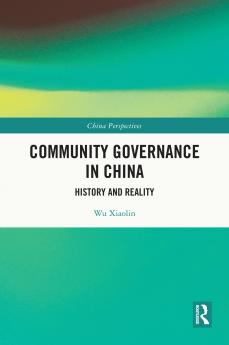
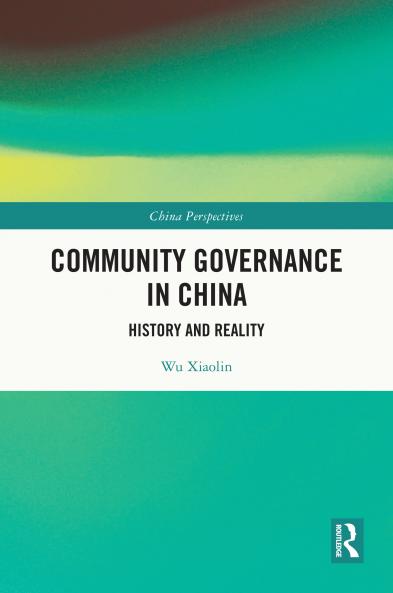
<p>This book provides an overview of China’s distinctive community governance examining its 2000-year history and describing its recent development under the leadership of the Communist Party of China.</p><p>The book presents new insights into community governance in China. It explores the historical genesis of community governance in imperial China providing a link that helps to understand the relationship between ancient and modern community governance. By explaining the practical differences between “centralised governance” and “networked governance” in these contexts it moves away from the myth of Tönniesian community and dissects the conceptual differences between Chinese and Western communities. This book is unique in its focus on the economic structure that underlies community governance and its identification of the root cause. It also investigates China’s “poli-community” and the relationship between the state society and the family. Finally the book proposes a potential approach for transitioning from a binary opposition between the state and society to a new mechanism of “state-created society” and building “associated communities”.</p><p>This volume will be a valuable reference for scholars and students of Chinese politics public management and sociology as well as for practitioners of community governance.</p>

Piracy-free

Assured Quality

Secure Transactions

Fast Delivery

Sustainably Printed
Details
ISBN 13
9781032859163
Publication Date
-02-10-2024
Pages
-352
Weight
-592 grams
Dimensions
-155.96x233.93x20.08 mm
