

English


₹2615
₹3368
22.36% OFF
(All inclusive*)
Paperback
Delivery Options
Please enter pincode to check delivery time.
*COD & Shipping Charges may apply on certain items.
Review final details at checkout.
Looking to place a bulk order? SUBMIT DETAILS
Delivery Options
Please enter pincode to check delivery time.
*COD & Shipping Charges may apply on certain items.
Review final details at checkout.
About The Book
Description
Author
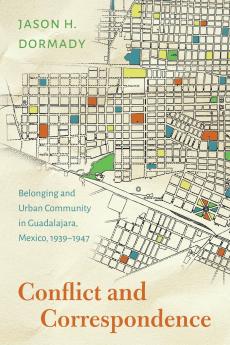
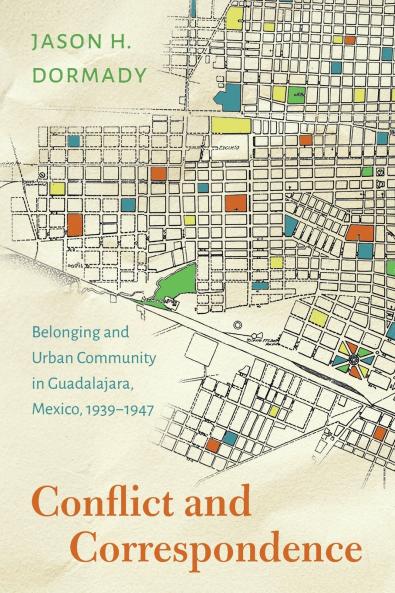
<p>In the decades following the 1910 Mexican Revolution Guadalajara faced immense demographic and economic transformation stunning both longtime residents and new arrivals. The city's population nearly tripled from 1920 to 1950 and the resultant population boom strained government resources and challenged living standards for all.</p><p>In <em>Conflict and Correspondence</em> Jason H. Dormady examines the critical transition period when Guadalajara lost control of urban growth after 1939 and when the newly empowered state and federal governments began to exercise immense control over the development of the city in 1947. As the city changed around them residents used petitions and letters to municipal officials to help address their feelings of alienation isolation and separation from the community around them. Petitions took the form of sensate moral recreational spiritual and gendered arguments about creating livable communities and avoiding the disorientation experienced by urban transformation. In the context of infrastructure failures tight housing markets and a dramatic aesthetic transition petitions on these topics reinforced to residents--and they hoped city officials--their belonging to the community. Resident petitions reveal how everyday people lived the consequences of the 1910 revolution as they advocated for shaping space and building place in midcentury Guadalajara. </p><p></p><p><strong>Jason H. Dormady</strong> is a professor of history and program faculty in Latino and Latin American studies and American Indian studies at Central Washington University. He is the author of <em>Primitive Revolution: Restorationist Religion and the Idea of the Mexican Revolution 1940-1968</em>.</p><p></p>

Piracy-free

Assured Quality

Secure Transactions

Fast Delivery

Sustainably Printed
Details
ISBN 13
9781496244413
Publication Date
-01-12-2025
Pages
-266
Weight
-365 grams
Dimensions
-152x229x15.27 mm
