


English


₹4444
₹5735
22.51% OFF
(All inclusive*)
Paperback
Delivery Options
Please enter pincode to check delivery time.
*COD & Shipping Charges may apply on certain items.
Review final details at checkout.
Looking to place a bulk order? SUBMIT DETAILS
Delivery Options
Please enter pincode to check delivery time.
*COD & Shipping Charges may apply on certain items.
Review final details at checkout.
About The Book
Description
Author
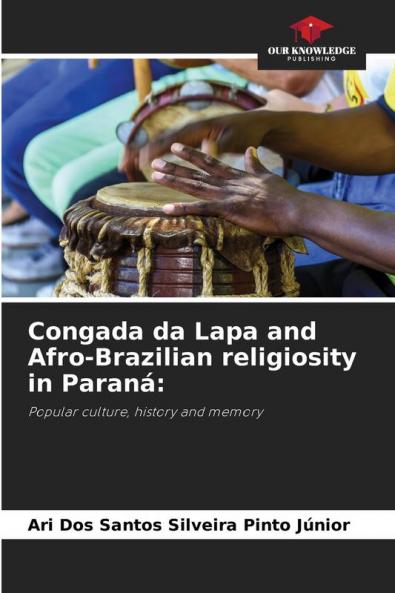
Religiosity as a cultural aspect arises in different ways according to the environment in which it is inserted its conditioning factors delimited by historical-geographical characteristics covered by social reasons. The congada is no different and viewing it with the care of a non-material heritage preserves a memory and allows the concepts of sustainability to be applied in other words guaranteeing future generations access to the goods we enjoy. This study is based on the consolidation of a popular system of expression which in general presents the views of those who produce and observe it thus allowing the maintenance of a cycle that guarantees access to local history.

Piracy-free

Assured Quality

Secure Transactions

Fast Delivery

Sustainably Printed
Details
ISBN 13
9786208189174
Publication Date
-16-10-2024
Pages
-52
Weight
-85 grams
Dimensions
-152x229x3.16 mm
