


English


Paperback
₹7144
₹9866
27.59% OFF
(All inclusive*)
Delivery Options
Please enter pincode to check delivery time.
*COD & Shipping Charges may apply on certain items.
Review final details at checkout.
Looking to place a bulk order? SUBMIT DETAILS
Delivery Options
Please enter pincode to check delivery time.
*COD & Shipping Charges may apply on certain items.
Review final details at checkout.
About The Book
Description
Author(s)
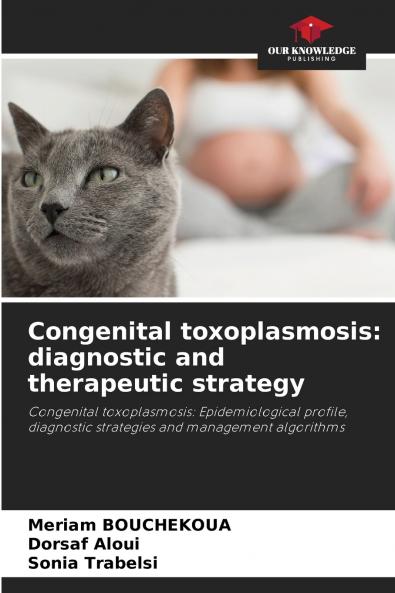
Congenital toxoplasmosis (CT) caused by transplacental transmission of Toxoplasma gondii during maternal primary infection (PI) presents in variable clinical forms in newborns (NN) ranging from severe neurological damage to sub-clinical forms. The aim of this study was to analyze the epidemiological clinical diagnostic and therapeutic aspects of CT . An observational and descriptive study was carried out over four years including 78 (NN) suspected TC. Antenatal diagnosis was based on a qualitative PCR test for parasite DNA in amniotic fluid. Neonatal serology included IgG and IgM testing by electrochemiluminescence IgM testing by ISAGA and comparative IgG/IgM profiles (mother-NN) by Western blot. TC was excluded in 31 NN and confirmed in 10 others (13%). 8 NN were clinically asymptomatic and 2 developed retinochoroiditis. All were treated with pyrimethamine-sulfadiazine and folinic acid. The management of CT is complex. A national prevention program should be set up.

Piracy-free

Assured Quality

Secure Transactions

Fast Delivery

Sustainably Printed
Details
ISBN 13
9786208805722
Publication Date
-30-03-2025
Pages
-84
Weight
-127 grams
Dimensions
-152x229x5.11 mm
