


This Book is Out of Stock!
English



Hardback
₹11670
(All inclusive*)
Delivery Options
*COD & Shipping Charges may apply on certain items.
Review final details at checkout.
Looking to place a bulk order? SUBMIT DETAILS
*COD & Shipping Charges may apply on certain items.
Review final details at checkout.
₹11670
Out Of Stock
All inclusive*
About The Book
Description
Author
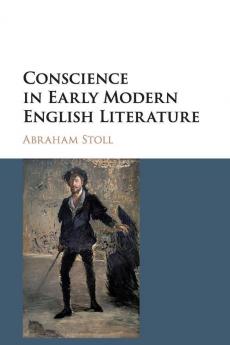
This book describes how poetry theology and politics intersect in the early modern conscience. Stoll explores how Shakespeare Spenser Herbert and Milton attempt to capture the experience of being in its grip. In the literature of the early modern conscience Protestant subjectivity evolves toward the political subject of modern liberalism.

Piracy-free

Assured Quality

Secure Transactions

Fast Delivery

Sustainably Printed
Details
ISBN 13
9781108418737
Publication Date
-10-05-2017
Pages
-232
Weight
-409 grams
Dimensions
-152.4x228.6x14.44 mm
