






₹18267
₹21880
16.51% OFF
(All inclusive*)
Hardback
Delivery Options
Please enter pincode to check delivery time.
*COD & Shipping Charges may apply on certain items.
Review final details at checkout.
Looking to place a bulk order? SUBMIT DETAILS
Delivery Options
Please enter pincode to check delivery time.
*COD & Shipping Charges may apply on certain items.
Review final details at checkout.
About The Book
Description
Author
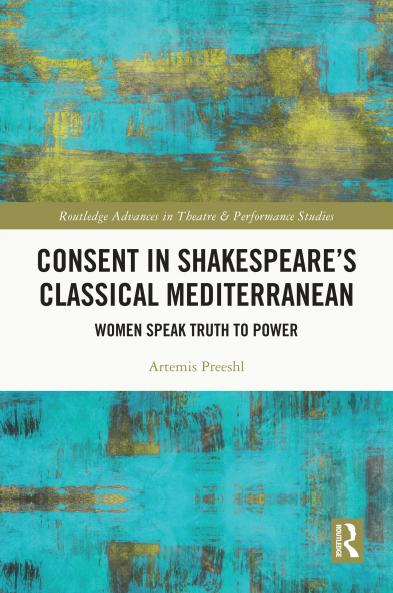
<p><i>Consent in Shakespeare’s Classical Mediterranean</i> fills a gap in knowledge about how female-identified gender-fluid and non-binary characters made choices about intimacy engagement and marriage in Shakespeare’s classical Mediterranean plays.</p><p>This classical sequel explores how female-identified gender-fluid and non-binary characters accessed agency in Shakespeare’s Mediterranean plays set in classical Troy Athens Thebes Antioch Ephesus Mytilene the North African Pentapolis Tarsus Egypt Rome Antium Britain Sardis Philippi Sicily greater Bohemia and the Balkan region. Through the lens of sources from Eastern and Western Europe the Middle East and the Maghrib Shakespeare’s heroines and their supporters may have initially appeared to conform to Early Modern contexts but the diverse backgrounds of female-identified gender-fluid and non-binary characters impacted the right to consent to friendship affection betrothal and marriage in the classical Mediterranean. By focusing on perspective views about female-identified gender-fluid and non-binary characters in and around Eastern and Western Europe the Middle East and the Maghreb classical realities collide with Early Modern preconceptions and misconceptions to reveal commonalities and differences in the lived experiences of female-identified and non-binary royalty nobility servants enslaved peoples matchmakers courtesans sex workers madams herbalists tailors and merchants.</p><p>This study will be of great interest to students and scholars in Theatre Middle East Studies Asian Studies Eastern European and Eurasian Studies African and Maghrib Studies and Social Justice Studies.</p>

Piracy-free

Assured Quality

Secure Transactions

Fast Delivery

Sustainably Printed
Details
ISBN 13
9781032741437
Publication Date
-20-02-2025
Pages
-274
Weight
-485 grams
Dimensions
-155.956x233.934x16.076750000000004 mm
