

English


Paperback
₹7402
₹12001
38.32% OFF
(All inclusive*)
Delivery Options
Please enter pincode to check delivery time.
*COD & Shipping Charges may apply on certain items.
Review final details at checkout.
Looking to place a bulk order? SUBMIT DETAILS
Delivery Options
Please enter pincode to check delivery time.
*COD & Shipping Charges may apply on certain items.
Review final details at checkout.
About The Book
Description
Author(s)
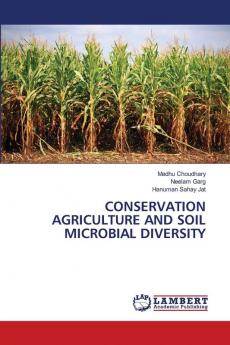
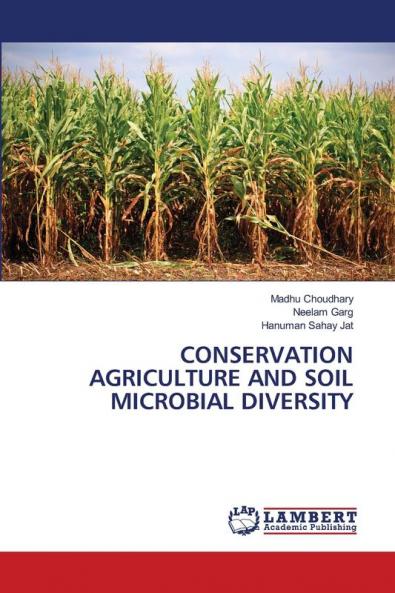
In situ burning of crop residues being practiced by majority of farmers' in NW India deteriorates the soil and environmental quality. Fungi have the potential for lignocellulose degradation and can be used for the in-situ decomposition of crop residues. Fungal species viz. Aspergillus terreus A. flavus A. niger and Penicillium janthinellum were isolated and evaluated based on the activity of lignocellulolytic enzymes for crop residue degradation potential. A. flavus and A. terreus showed 30% degradation of residue after 10 days of incubation and these fungi did not show any side effect on wheat crop growth under field condition. Fungal diversity was found to increase with CA- based management practices maximum sequences of phylum were in order of Ascomycota> Basidiomycota> Glomeromycota. However Alternaria Cercophora and Epicoccum were most abundant fungal genera. At phylum level relative abundance of Ascomycota ranged from 55 to 74% with the highest dominance recorded in CA based maize systems (maize-wheat-mungbean) and lowest with conventional rice-wheat however at class level Sordariomycetes had the highest abundance followed by Dothideomycetes and Eurotiomycetes.

Piracy-free

Assured Quality

Secure Transactions

Fast Delivery

Sustainably Printed
Details
ISBN 13
9786207843282
Publication Date
-30-07-2024
Pages
-188
Weight
-263 grams
Dimensions
-152x229x10.97 mm
