

English


Paperback
₹4508
₹5213
13.52% OFF
(All inclusive*)
Delivery Options
Please enter pincode to check delivery time.
*COD & Shipping Charges may apply on certain items.
Review final details at checkout.
Looking to place a bulk order? SUBMIT DETAILS
Delivery Options
Please enter pincode to check delivery time.
*COD & Shipping Charges may apply on certain items.
Review final details at checkout.
About The Book
Description
Author(s)
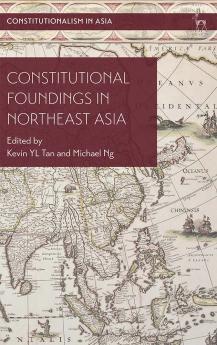
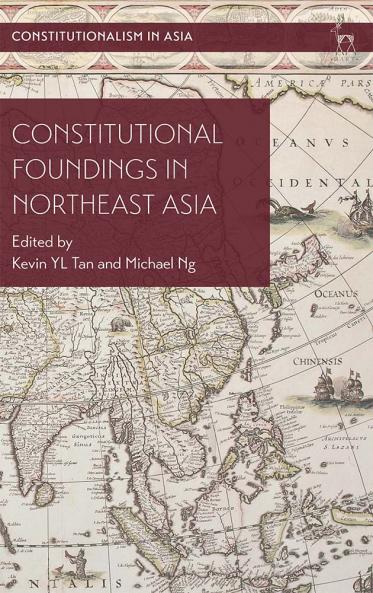
This new book in the <i>Constitutionalism in Asia</i> series considers the idea of origins and of change and continuity in terms of 'constitution-making' which is an on-going process in the Northeast Asian states.<br/><br/>The book examines the drafting nature core values and roles of the first modern constitutions during the founding of the 8 modern states/territories in Northeast Asia: China (1949) Taiwan (1947) Hong Kong SAR (1997) Macau SAR (1999) Japan (1889) North Korea (1948 and 1972) South Korea (1948) and Mongolia (1924).<br/><br/>The collection provides: <br/>- an exploratory description of the process and substantive inputs in the making of the first constitutions of these nations/territories;<br/>- analysis of the internal and external (including intra-regional) forces surrounding the making of these constitutions; and<br/>- theoretical construction of models to conceptualise the nature and role of the first constitutions (including constituent documents) in the founding of the modern nation-states/territories and their subsequent impact on state-building in the region.<br/>

Piracy-free

Assured Quality

Secure Transactions

Fast Delivery

Sustainably Printed
Details
ISBN 13
9781509956746
Publication Date
-29-06-2023
Pages
-256
Weight
-369 grams
Dimensions
-155.96x233.9x13.75 mm
