



This Book is Out of Stock!
English



Paperback
₹5640
₹6872
17.93% OFF
(All inclusive*)
Delivery Options
*COD & Shipping Charges may apply on certain items.
Review final details at checkout.
Looking to place a bulk order? SUBMIT DETAILS

Piracy-free

Assured Quality

Secure Transactions
About The Book
Description
Author(s)
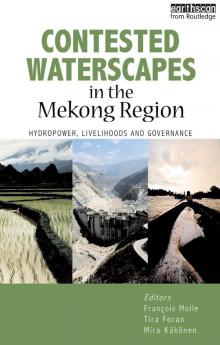
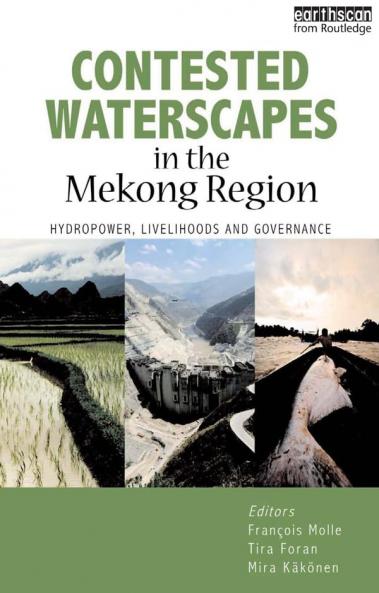
<p>The catchment area of the Mekong River and its tributaries extends from China through Burma/Myanmar Thailand Laos Cambodia and to Vietnam. The water resources of the Mekong region - from the Irrawaddy and Nu-Salween in the west across the Chao Phraya to the Lancang-Mekong and Red River in the east- are increasingly contested. Governments companies and banks are driving new investments in roads dams diversions irrigation schemes navigation facilities power plants and other emblems of conventional 'development'. Their plans and interventions should provide some benefits but also pose multiple burdens and risks to millions of people dependent on wetlands floodplains and aquatic resources in particular the wild capture fisheries of rivers and lakes.</p> <p>This book examines how large-scale projects are being proposed justified and built. How are such projects contested and how do specific governance regimes influence decision making? The book also highlights the emergence of new actors rights and trade-off debates and the social and environmental consequences of 'water resources development'.</p> <p>This book shows how diverse and often antagonistic ideologies and interests are contesting for legitimacy. It argues that the distribution of decision-making political and discursive power influences how the waterscapes of the region will ultimately look and how benefits costs and risks will be distributed. These issues are crucial for the transformation of waterscapes and the prospects for democratizing water governance in the Mekong region.</p> <p>The book is part of the action-research of the M-POWER (Mekong Program on Water Environment and Resilience) knowledge network.</p> <p>Published with IFAD CG|AR Challenge Program on Water &amp; Food M-POWER Project ECHEL-EAU and HEINRICH BOLL STIFTUNG</p>
Piracy-free
Assured Quality
Secure Transactions
*COD & Shipping Charges may apply on certain items.
Review final details at checkout.
₹5640
₹6872
17% OFF
Paperback
Out Of Stock
All inclusive*
Details
ISBN 13
9781138021181
Publication Date
-17-07-2014
Pages
-448
Weight
-632 grams
Dimensions
-156x234x23.62 mm
