

English


Paperback
₹4102
₹4706
12.83% OFF
(All inclusive*)
Delivery Options
Please enter pincode to check delivery time.
*COD & Shipping Charges may apply on certain items.
Review final details at checkout.
Looking to place a bulk order? SUBMIT DETAILS
Delivery Options
Please enter pincode to check delivery time.
*COD & Shipping Charges may apply on certain items.
Review final details at checkout.
About The Book
Description
Author
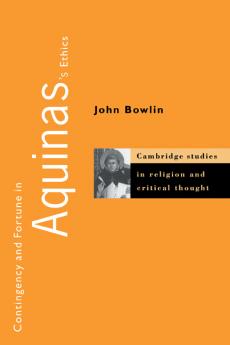
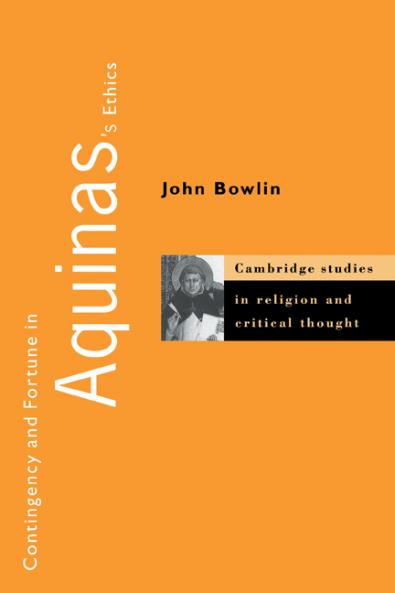
Bowlin argues that the strength of Aquinas'' moral theology is his assumption about our common lot: the good we desire is difficult to know and to will particularly because of contingencies of various kinds--within ourselves in the ends and objects we pursue and in the circumstances of choice. Since contingencies are fortune''s effects Aquinas insists that fortune makes good choice difficult. Bowlin explores Aquinas'' treatment of virtue agency and happiness in this context and places him more precisely in the history of ethics among Aristotle Augustine and the Stoics.

Piracy-free

Assured Quality

Secure Transactions

Fast Delivery

Sustainably Printed
Details
ISBN 13
9780521153423
Publication Date
-08-12-2010
Pages
-250
Weight
-344 grams
Dimensions
-152x229x14.4 mm
