

English



Hardback
₹9353
₹10571
11.52% OFF
(All inclusive*)
Delivery Options
Please enter pincode to check delivery time.
*COD & Shipping Charges may apply on certain items.
Review final details at checkout.
Looking to place a bulk order? SUBMIT DETAILS
Delivery Options
Please enter pincode to check delivery time.
*COD & Shipping Charges may apply on certain items.
Review final details at checkout.
About The Book
Description
Author
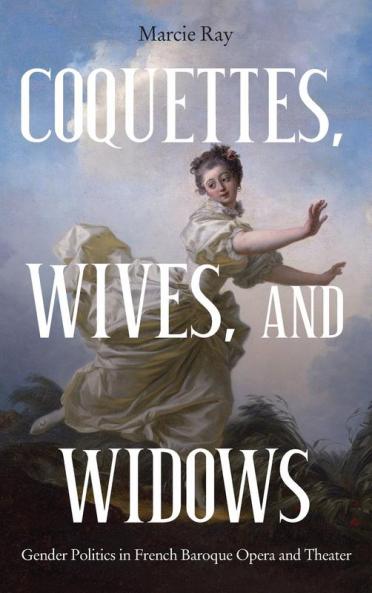
<p>Seventeenth- and eighteenth-century French theatrical works created an uneasy dialogue with the often-blistering depictions of marriage in contemporary writings by literary women. For over a century composers and librettists attempted to silence such anti-traditionalist views through dramas that ridicule banish or even more violently silence and subjugate female characters who resist marriage. These dramas portray independent-minded women as agents of chaos who deploy their sexuality to destabilize class demarcations or to destroy families and at times the monarchy itself.<br /><br /><em>Coquettes Wives and Widows: Gender Politics in French Baroque Opera and Theater</em> shows how dramatists wrested narratives away from women and weaponized those narratives in a defense of the status quo. It examines a wide range of works of different types: from Jean-Philippe Rameau&#39;s <em>Plat&eacute;e ou Junon jalouse</em> and Andr&eacute; Campra&#39;s <em>Ar&eacute;thuse ou la Vengeance de l&#39;Amour</em> to representative works from the Com&eacute;die Franaise the Com&eacute;die Italienne and the fairgound theaters. Each theater offered denigrating portraits of independent women as dissolute obstinate and extremist.<br /><br />The operas and other theatrical works explored in <em>Coquettes Wives and Widows</em> reveal who (in the view of many at the time) should exercise authority to make choices about women&#39;s lives. They also give evidence of widespread fears about how society might change if it were to grant women themselves that responsibility.<br /><br />Marcie Ray is an Associate Professor of Musicology at Michigan State University.</p>

Piracy-free

Assured Quality

Secure Transactions

Fast Delivery

Sustainably Printed
Details
ISBN 13
9781580469883
Publication Date
-15-05-2020
Pages
-204
Weight
-372 grams
Dimensions
-152x229x12.7 mm
