



This Book is Out of Stock!
English



Hardback
₹15052
₹19833
24.11% OFF
(All inclusive*)
Delivery Options
*COD & Shipping Charges may apply on certain items.
Review final details at checkout.
Looking to place a bulk order? SUBMIT DETAILS
*COD & Shipping Charges may apply on certain items.
Review final details at checkout.
₹15052
₹19833
24% OFF
Hardback
Out Of Stock
All inclusive*
About The Book
Description
Author(s)
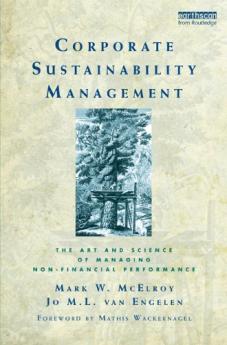
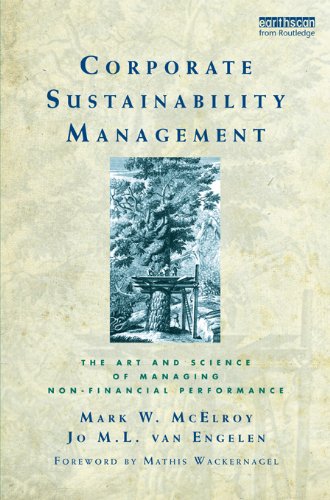
<p>Businesses around the world are increasingly turning to an exciting new branch of management known as corporate sustainability management (CSM) to help them better understand and manage their non-financial performance. </p><p>Indeed what we are witnessing is nothing less than the birth of a new management function. The main pillar of CSM is the Triple Bottom Line (TBL) which has been successful as an organizing principle but a disappointment in practice. This is largely due to the absence of 'sustainability context' in related measurement management and reporting efforts when for example the monitoring of a company's use of freshwater resources fails to take into account the size of related supplies. </p><p>This book is the first to introduce a systematic means of including context in sustainability management and doing effective CSM. After making the case for why context matters the book explains how to do context-based CSM by providing a stepwise cyclical blueprint for how to practice it in any organization. This includes a template for context-based metrics compatible with the Global Reporting Initiative (GRI) as well as specific examples of metrics for each of the triple bottom lines.</p><p>Practical examples of best practices are presented throughout while simultaneously addressing key issues such as how organizations can measure performance against context-based standards when consensus for such standards does not yet exist. Appendices include tools for developing and applying context-based metrics as well as case studies taken from the practice of context-based CSM at two companies in the United States. </p><p>This guide is the essential tool for business and organizational leaders in all sectors committed to improving their sustainability performance with a particular emphasis on measurement management and reporting. </p>

Piracy-free

Assured Quality

Secure Transactions

Fast Delivery

Sustainably Printed
Details
ISBN 13
9781844079117
Publication Date
-31-10-2011
Pages
-256
Weight
-461 grams
Dimensions
-156x234x15.15 mm
