

English


Hardback
₹14951
₹19815
24.55% OFF
(All inclusive*)
Delivery Options
Please enter pincode to check delivery time.
*COD & Shipping Charges may apply on certain items.
Review final details at checkout.
Looking to place a bulk order? SUBMIT DETAILS
Delivery Options
Please enter pincode to check delivery time.
*COD & Shipping Charges may apply on certain items.
Review final details at checkout.
About The Book
Description
Author
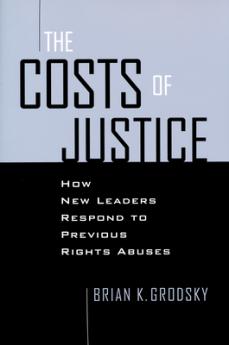
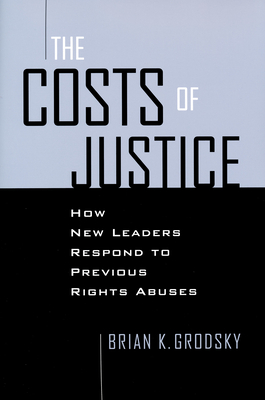
<p>Grodsky examines the sources of diversity in transitional justice processes in postcommunist Poland Croatia Serbia and Uzbekistan and a broad range of post-conflict policy making. </p>

Piracy-free

Assured Quality

Secure Transactions

Fast Delivery

Sustainably Printed
Details
ISBN 13
9780268205959
Publication Date
-01-08-2022
Pages
-368
Weight
-586 grams
Dimensions
-152x229x20.64 mm
