




This Book is Out of Stock!
English



Hardback
₹13631
₹17883
23.78% OFF
(All inclusive*)
Delivery Options
*COD & Shipping Charges may apply on certain items.
Review final details at checkout.
Looking to place a bulk order? SUBMIT DETAILS

Piracy-free

Assured Quality

Secure Transactions
About The Book
Description
Author
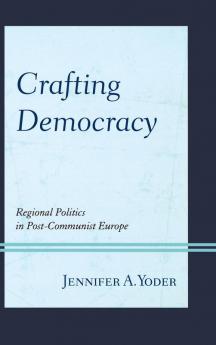
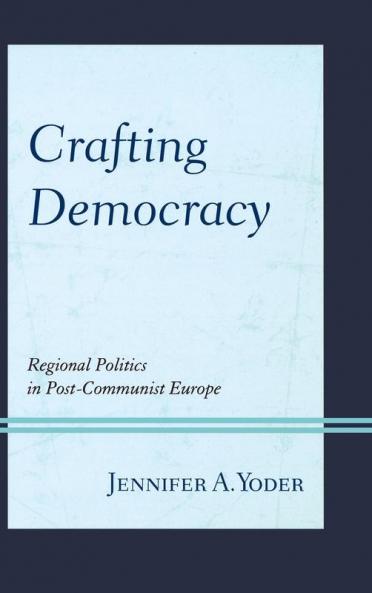
A decade after the fall of the Iron Curtain and the beginning of democratization and marketization in East Central Europe a handful of countries introduced territorial and administrative reforms and created regional &ldquo;self-governments&rdquo;: autonomous subnational-level assemblies elected by universal suffrage. This comparative study of Poland the Czech Republic Slovakia and Hungary explores the reasons for these reforms and their consequences for post-communist democracies. In the context of the long-standing development of regions in Western Europe Jennifer A. Yoder argues that a new approach is needed to explain recent regional reforms&mdash;and their wide variablity&mdash;in post-communist Europe. Her study offers a nuanced and authoritative account of a category of reforms that gets to the heart of democratization after communism: how to distribute authority within a new system.<br><br><BR />
Piracy-free
Assured Quality
Secure Transactions
*COD & Shipping Charges may apply on certain items.
Review final details at checkout.
₹13631
₹17883
23% OFF
Hardback
Out Of Stock
All inclusive*
Details
ISBN 13
9781442215986
Publication Date
-07-02-2013
Pages
-252
Weight
-434 grams
Dimensions
-152x229x17.46 mm
