


English



Hardback
₹11173
₹14326
22.01% OFF
(All inclusive*)
Delivery Options
Please enter pincode to check delivery time.
*COD & Shipping Charges may apply on certain items.
Review final details at checkout.
Looking to place a bulk order? SUBMIT DETAILS

Piracy-free

Assured Quality

Secure Transactions
About The Book
Description
Author
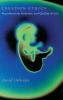
The ethics of creating-or declining to create-human beings has been addressed in several contexts: debates over abortion and embryo research; literature on self-creation; and discussions of procreative rights and responsibilities genetic engineering and future generations. Here for the first time is a sustained scholarly analysis of all of these issues-a discussion combining breadth of topics with philosophical depth imagination with current scientific understanding argumentative rigor with accessibility. The overarching aim of <em>Creation Ethics</em> is to illuminate a broad array of issues connected with reproduction and genetics through the lens of moral philosophy. With novel frameworks for understanding prenatal moral status and human identity and exceptional fairness to those holding different views David DeGrazia sheds new light on the ethics of abortion and embryo research genetic enhancement and prenatal genetic interventions procreation and parenting and decisions that affect the quality of life of future generations. Along the way he helpfully introduces personal identity theory and value theory as well as such complex topics as moral status wrongful life and the nonidentity problem. The results include a subjective account of human well-being a standard for responsible procreation and parenting and a theoretical bridge between consequentialist and nonconsequentialist ethical theories. The upshot is a synoptic mostly liberal vision of the ethics of creating human beings. <p/>This is a valuable book on a fascinating topic written by a major figure in the field. The topic of the ethics of creating people is both practically urgent as new technologies develop for shaping human offspring and also of great theoretical importance for ethics and meta-ethics because it engages the deepest issues including those of moral status the nature of justice and identity. DeGrazia has already proved to be an important force in shaping the debate regarding these issues. Anyone writing on this topic will have to address this book head-on. The style is remarkably lucid and almost jargon-free. Given that the book is filled with complex sustained argumentation this is quite an accomplishment. This book will be of interest to legal scholars philosophers working in normative ethics meta-ethics and bioethics and public policy scholars. - Allen Buchanan James B. Duke Professor of Philosophy Duke University<br>
Piracy-free
Assured Quality
Secure Transactions
Delivery Options
Please enter pincode to check delivery time.
*COD & Shipping Charges may apply on certain items.
Review final details at checkout.
Details
ISBN 13
9780195389630
Publication Date
-01-06-2012
Pages
-242
Weight
-442 grams
Dimensions
-156x234x14.29 mm
