

English


Paperback
₹4053
₹5241
22.67% OFF
(All inclusive*)
Delivery Options
Please enter pincode to check delivery time.
*COD & Shipping Charges may apply on certain items.
Review final details at checkout.
Looking to place a bulk order? SUBMIT DETAILS
Delivery Options
Please enter pincode to check delivery time.
*COD & Shipping Charges may apply on certain items.
Review final details at checkout.
About The Book
Description
Author
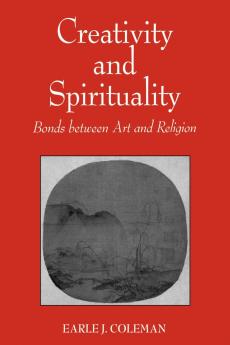
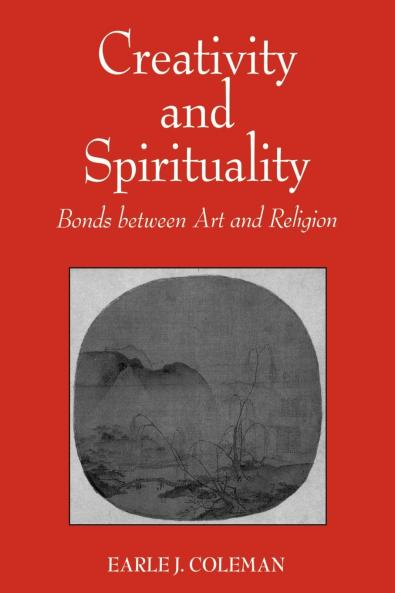
<p><b>Drawing from six living faiths this book philosophically analyzes relations between art and religion in order to explain how the concepts art beauty creativity and aesthetic experience find their place or counterparts in religious discourse and experience.</b></p><p>From the architecture of Frank Lloyd Wright to the rock gardens of Zen Buddhism Coleman explores applied fine and folk arts in order to uncover points of coalescence between art and religion. Drawing from six living faiths (Buddhism Christianity Hinduism Islam Judaism and Taoism) this book philosophically analyzes relations between art and religion in order to explain how the concepts art beauty creativity and aesthetic experience find their place or counterparts in religious discourse and experience. Coleman repeatedly shows that aesthetic ideas can serve as bridges to spiritual categories as when he relates aesthetic bliss to the peace that passes all understanding.</p><p>The author follows a three-fold approach; first he examines ideas and motifs from religious classics in world literature such as Lao Tzu's Tao Te Ching and The Interior Castle by Teresa of Avila in order to relate them to aesthetic phenomena. Second he turns to the statements of artists such as Leo Tolstoy Vincent van Gogh Paul Gauguin Shih-t'ao and Wassily Kandinsky for themes and practices that have religious significance. Third he analyzes and evaluates the writings of various theoreticians-philosophers theologians art critics sociologists and psychologists-on the relations between art and religion. Coleman demonstrates for example that Martin Buber's I-Thou relationship captures much that is central to art creativity and aesthetic experience as well as to religious life.</p><p>Among the themes that receive sustained treatment are: the varieties of union in art and religion the child as a paradigm for artists and saints and creativity as essential to religion. Finally the author critically weighs proposed distinctions between art and religion and between the broader categories of the aesthetic and the spiritual rejecting some and showing how others are compatible with his proposal that the aesthetic and the spiritual are cognate categories.</p>

Piracy-free

Assured Quality

Secure Transactions

Fast Delivery

Sustainably Printed
Details
ISBN 13
9780791437001
Publication Date
-19-03-1998
Pages
-260
Weight
-357 grams
Dimensions
-152x229x14.95 mm
