

English


Hardback
₹3699
(All inclusive*)
Delivery Options
Please enter pincode to check delivery time.
*COD & Shipping Charges may apply on certain items.
Review final details at checkout.
Looking to place a bulk order? SUBMIT DETAILS

Piracy-free

Assured Quality

Secure Transactions
About The Book
Description
Author
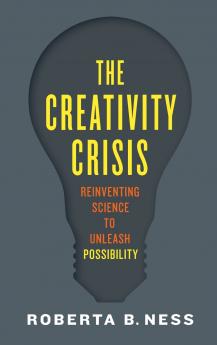
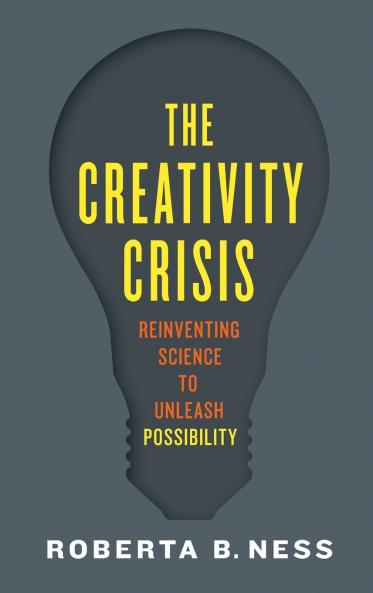
Every day we hear about some fascinating new discovery. Yet anemic progress toward addressing the greatest risks to humankind -- clean energy emerging infections and cancer -- warns us that science may not be meeting its potential. Indeed there is evidence that advances are slowing. Science is costly and can hurt people; thus it must be pursued with caution. Yet excessive caution stifles the very thing that powers inventiveness: creation. In her boldest book yet Roberta Ness argues that the system of funding agencies universities and industries designed to promote innovation has come to impede it. <p/><em>The Creativity Crisis</em> strips away the scientific enterprise's veil of mystique to reveal the gritty underbelly of university research. America's economic belt-tightening discourages long-term risky investments in revolutionary advances and elevates short-term projects with assured outcomes. The pursuit of basic research insights with the greatest power to transform but little ability to enrich is being abandoned. The social nature of academia today also contributes to the descent of revolutionary discovery. In academia which tends to be insular hierarchical and tradition-bound research ideas are owned and the owners gain enormous clout to decide what is accepted. Communalism is antithetical to idea ownership. Thus science has not embraced the Web-based democratic sharing of ideas called crowdsourcing one of the greatest tools for creativity and social change in our age. A final battleground between creation and caution is within the sphere of ethics. Scientists are typically altruistic but sometimes have all-too-human inclinations toward avarice and conceit. The most original thinkers are most likely to flout convention. This tendency can pull them across the lines of acceptable behavior. Caution is a necessary check on the destructive potential of amoral creation. Yet when every individual and institution is considered a priori to be a threat adventuresome invention is squelched. <p/>Creation and caution in science should be in balance but they are not. For possibilities to unlock the ecosystem in which science is done must be fundamentally rebalanced.<br>
Piracy-free
Assured Quality
Secure Transactions
Delivery Options
Please enter pincode to check delivery time.
*COD & Shipping Charges may apply on certain items.
Review final details at checkout.
Details
ISBN 13
9780199375387
Publication Date
-01-12-2014
Pages
-296
Weight
-516 grams
Dimensions
-156x234x17.46 mm
